Air Freight vs Sea Freight for Fresh Produce Exports from Uganda – The Complete Shipping Guide
Air Freight vs Sea Freight for Fresh Produce Exports from Uganda is an important consideration for international agricultural importers, wholesale fruit and vegetable traders, supermarket distributors, hotels, restaurants, and food processing companies seeking tropical agricultural products from East Africa. Uganda produces a diverse range of fresh fruits and vegetables, including Hass avocados, pineapples, Tommy Atkins mangoes, Kent mangoes, passion fruits, bananas, papayas, chillies, and other commercially valuable produce. However, selecting the most suitable international transportation method is essential for maintaining freshness, protecting quality, managing freight expenses, and achieving commercially viable delivery arrangements.
Air freight offers comparatively faster transportation and may be suitable for highly perishable agricultural products, smaller consignments, speciality vegetables, and products serving premium markets. Sea freight, particularly refrigerated container shipping, may provide an economical option for larger agricultural shipments where produce maturity, storage characteristics, transportation schedules, and cold-chain arrangements support longer transit periods. Each option has distinct requirements concerning packaging, documentation, cargo handling, quality control, and commercial risk.
NextoAgro Exports is a Uganda-based agricultural sourcing and export company connecting international buyers with fresh fruits and vegetables grown in Uganda. We welcome enquiries involving wholesale agricultural sourcing, preferred product varieties, commercial quantities, export packaging, quality specifications, and potential international shipping arrangements. Our approach recognises that different agricultural products require different transportation conditions and that freight decisions must reflect the destination market, product shelf life, purchasing volume, and available logistics services.
Understanding Air Freight vs Sea Freight for Fresh Produce Exports from Uganda allows importers to make informed decisions before ordering agricultural products. Whether your business requires wholesale tropical fruits, fresh vegetables, or mixed agricultural supplies, evaluating the complete journey from Uganda's farming regions to the final wholesale destination is an important part of international procurement.
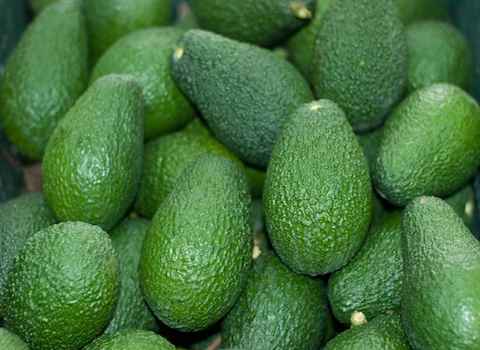
Air Freight vs Sea Freight for Fresh Produce Exports from Uganda
Air Freight vs Sea Freight for Fresh Produce Exports from Uganda
Air Freight vs Sea Freight for Fresh Produce Exports from Uganda
Why International Freight Selection Matters for Ugandan Fresh Produce
Fresh fruits and vegetables remain biologically active after harvesting. Respiration, moisture loss, ripening, temperature exposure, physical handling, and microbial deterioration can affect their quality during transportation.
Selecting an appropriate shipping method therefore involves more than comparing freight charges. Buyers must also consider product maturity, expected remaining shelf life, packing arrangements, inspection requirements, and the likelihood of delays.
Protecting Freshness and Commercial Quality
Different agricultural products have different storage and handling characteristics. Fresh passion fruits, French beans, and snow peas may require relatively rapid distribution, while carefully prepared Hass avocados may be suitable for longer refrigerated shipments under the appropriate maturity and handling conditions.
A transportation method that works well for one commodity may be unsuitable for another. Exporters and importers should establish how the selected product behaves during storage and how much marketable shelf life is likely to remain after arrival.
Managing Freight Costs
International freight costs can represent a substantial component of the final landed cost of imported agricultural products.
Air freight is generally more expensive per kilogram than ocean freight, although the actual difference depends on cargo volumes, dimensional weight, airline capacity, routes, fuel-related charges, and handling requirements.
Sea freight may offer lower transportation costs per unit for larger compatible shipments, but importers must account for inland transportation, refrigerated container services, port handling, inspections, and longer periods before the produce reaches the destination market.
Reducing Quality and Financial Risks
Poor freight planning can lead to unnecessary cargo delays, bruising, spoilage, temperature damage, and rejected consignments.
NextoAgro Exports encourages international buyers to discuss product specifications, shipment volumes, packaging, documentation, and freight feasibility before confirming wholesale agricultural purchases.
Understanding Air Freight for Fresh Produce Exports from Uganda
Air freight is the transportation of agricultural products using aircraft cargo services. It is particularly relevant for fresh produce requiring faster international movement or serving markets where the commercial value supports higher freight costs.
For Uganda, Entebbe International Airport is the principal international aviation gateway for evaluating agricultural air cargo arrangements.
Fresh Produce Air Freight from Entebbe International Airport
Entebbe International Airport supports international cargo operations and has clearing and forwarding businesses involved in customs documentation, transportation, warehousing, and cargo handling.
Agricultural exports moving through the airport may require coordination among exporters, freight forwarders, airlines, customs authorities, agricultural inspectors, and cargo handling companies.
NextoAgro Exports welcomes enquiries concerning potentially suitable air freight arrangements for agricultural products, including passion fruits, African Bird's Eye Chillies, green chillies, speciality vegetables, and selected tropical fruits.
Actual flight availability, cargo acceptance, onward connections, freight rates, and handling arrangements must be confirmed for each shipment.
How Air Freight Works for Fresh Agricultural Products
A commercial air freight consignment begins with agricultural sourcing, harvesting, grading, and packaging. The produce must then satisfy the applicable export inspection and documentation requirements before being delivered to the appointed cargo handling facility.
The airline or cargo operator confirms the available cargo service, accepted shipment weight, packaging conditions, and relevant transport restrictions. The consignment is then transported to the destination airport or through an agreed connecting service.
After arrival, the importing business or its representative must arrange the applicable customs clearance, plant-health inspection, food safety checks, and onward delivery.
Advantages of Air Freight
Air freight reduces the time fresh produce spends in international transportation compared with conventional ocean shipping. This may help preserve marketable shelf life and support urgent commercial orders.
It can also be suitable for smaller wholesale shipments, trial orders, speciality agricultural products, and buyers whose customers require relatively rapid stock replenishment.
For example, a European food distributor requiring fresh green chillies or a Gulf hospitality supplier purchasing passion fruits may evaluate air freight because faster delivery can be commercially important.
Limitations of Air Freight
Air freight can be expensive, especially for bulky or relatively low-value agricultural products. Cargo charges may be based on actual weight or volumetric weight, whichever is greater under the applicable air cargo rules.
A shipment of lightly packed produce may therefore attract charges that are high relative to its saleable weight.
Air cargo is also affected by airline capacity, flight schedules, connections, handling conditions, and airport clearance procedures. Faster flight time does not eliminate the need for appropriate cold-chain management or guarantee immediate customs release.
Understanding Sea Freight for Fresh Produce Exports from Uganda
Sea freight involves transporting goods in ocean-going vessels, commonly using shipping containers. Fresh produce may be transported in refrigerated containers, known as reefer containers, where suitable temperature, humidity, ventilation, and cargo management arrangements are available.
Because Uganda is landlocked, sea freight requires an additional inland transportation stage before the goods can be loaded onto a vessel.
Inland Transportation from Uganda to Regional Seaports
Ugandan agricultural cargo intended for sea freight may be transported overland to regional seaports such as Mombasa in Kenya. Other routes, including those through Tanzania, may be evaluated where suitable transport and shipping services are available.
The overall journey includes inland collection, transport to the seaport, customs and transit procedures, terminal handling, ocean transportation, destination-port clearance, and final delivery.
NextoAgro Exports recognises that each stage affects total freight costs, shipment duration, cargo handling, and the quality of perishable products.
The Port of Mombasa and Ugandan Agricultural Exports
The Port of Mombasa is a major East African maritime gateway serving Uganda and other inland markets. Its container terminals and connections to international shipping networks make it an important option for evaluating ocean freight.
Agricultural exporters considering Mombasa should confirm available refrigerated container services, inland haulage arrangements, equipment availability, sailing schedules, terminal conditions, and destination routing.
The availability of a suitable port does not automatically mean that every fruit or vegetable can withstand the complete sea freight journey.
Refrigerated Containers for Fresh Produce
Refrigerated containers are designed to maintain specified cargo conditions during transportation.
For fresh agricultural products, the appropriate settings may include temperature, ventilation, humidity management, and, where supported, controlled-atmosphere arrangements.
However, refrigerated containers are generally intended to maintain produce at an appropriate established temperature rather than rapidly remove substantial field heat from freshly harvested products.
Agricultural consignments should therefore be prepared and pre-cooled where appropriate before loading.
Advantages of Sea Freight
Sea freight can provide more economical transportation for larger shipments of compatible fruits and vegetables.
It may be particularly relevant for buyers who can purchase sufficient commercial quantities, plan orders in advance, and maintain suitable receiving and distribution facilities.
Products with adequate storage potential, appropriate maturity, and validated refrigerated transportation arrangements may be considered for sea freight.
Limitations of Sea Freight
Sea freight generally involves substantially longer transit periods than air transportation.
Fresh produce may spend additional time in inland transport, port terminals, customs procedures, container handling, ocean transit, and final distribution.
Any extended delay, unsuitable temperature setting, equipment malfunction, poor ventilation, or incorrect harvesting maturity may reduce product quality.
NextoAgro Exports encourages importers to establish shipment feasibility for the specific commodity rather than selecting sea freight solely because its transport price appears lower.
Air Freight vs Sea Freight Comparison for Uganda Fresh Produce Exports
Comparison FactorAir FreightSea FreightTransportation speedGenerally fasterGenerally slowerMain Ugandan gatewayEntebbe International AirportInland transport to a regional seaportFreight cost per unitUsually higherOften lower for larger suitable shipmentsSuitable volumesSmall to medium or premium consignmentsLarger commercial consignmentsPerishable vegetablesOften more practicalRequires careful shelf-life evaluationLong-storage fruitsPossible, but potentially expensiveMay be economical with suitable reefer handlingTemperature managementNeeded during preparation, handling and deliveryContinuous reefer management is often criticalPackagingLightweight but protective cargo cartonsStrong cartons suitable for container stackingMain transport documentAir waybillBill of lading or equivalentMain commercial riskHigh freight expense and handling delaysLonger transit and deterioration exposureBest use caseTime-sensitive or higher-value producePlanned bulk imports with sufficient shelf life
The most suitable option depends on the product and the complete commercial journey. A low ocean freight rate does not necessarily produce a lower landed cost if the cargo deteriorates before distribution. Similarly, a fast air shipment may not be profitable if freight charges exceed the value supported by the destination market.
Comparing Air Freight and Sea Freight Shipping Costs
Freight costs must be evaluated as part of the total landed cost of the agricultural consignment.
Importers should compare the cost of obtaining the produce, preparing it for export, transporting it internationally, completing the relevant inspections, and delivering it to the final wholesale destination.
Air Freight Cost Considerations
Air freight charges may depend on the shipment's actual or chargeable weight, route, airline capacity, service type, season, packaging dimensions, and additional handling requirements.
Other expenses may include collection from the agricultural sourcing location, export cartons, sorting and grading, inspection fees, airport cargo handling, customs brokerage, insurance, and destination delivery.
Air freight may remain commercially appropriate where the product commands a sufficient wholesale price or requires faster movement to preserve its marketable quality.
Sea Freight Cost Considerations
Sea freight costs may include refrigerated container rental or transport charges, inland haulage, container positioning, terminal handling, port documentation, ocean freight, power connections, insurance, customs clearance, and destination transportation.
Importers should also consider container loading efficiency, cargo weight limits, inspection arrangements, and any detention or demurrage risks.
These costs can be distributed across larger product quantities, but only where the planned shipment volume and product characteristics make container shipping commercially practical.
Understanding the Total Landed Cost
Importers should calculate the total cost of bringing produce to the intended receiving destination, including the responsibilities established under the agreed Incoterm.
Important considerations include agricultural purchasing costs, packaging, export preparation, transport, insurance, customs charges, taxes where applicable, storage, and onward distribution.
Commercial buyers should also estimate the proportion of produce expected to remain marketable upon arrival.
Why the Cheapest Freight Quote Is Not Always the Best
A low freight quote may exclude essential services such as refrigerated handling, insurance, customs brokerage, terminal charges, or inland transportation.
Buyers should request a clear breakdown of the services included and identify any additional destination costs.
NextoAgro Exports welcomes wholesale quotation enquiries specifying the desired products, quantities, packaging, and delivery destinations so suitable sourcing and shipping considerations can be discussed.
Air Freight vs Sea Freight Transit Times and Shelf-Life Considerations
International transportation time is a major factor in fresh produce quality, but shipping time should not be confused with the complete delivery period.
Air Freight Transit Time
The flight portion of an air shipment can be relatively short compared with ocean transportation. However, door-to-door delivery also includes harvesting, packing, export inspections, airport handling, flight connections, destination customs procedures, and local distribution.
International buyers should therefore request an estimated complete shipment schedule rather than relying solely on the published flight duration.
Sea Freight Transit Time
Ocean freight can involve considerably longer journeys, often measured in weeks rather than days for distant destinations.
For produce originating in Uganda, the inland movement to a regional seaport must also be included.
The total shipment period depends on the collection location, available vessel service, port connections, transshipment arrangements, inspection requirements, and final destination.
Why Remaining Shelf Life Matters
The shelf life of agricultural produce depends on harvesting maturity, initial product condition, temperature exposure, variety, packaging, respiration, moisture loss, and storage conditions.
A product that can tolerate the ocean voyage may still be unsuitable for sea freight if insufficient marketable life remains for customs clearance, wholesaling, retail distribution, and final consumption.
NextoAgro Exports encourages importers to establish the intended marketing period before confirming a transportation method.
Fresh Fruits That May Be Suitable for Air Freight from Uganda
Air freight may be considered for tropical fruits with relatively limited shelf life, premium market positioning, or commercial requirements favouring faster delivery.
Passion Fruits
Fresh passion fruits are used in juices, desserts, smoothies, cocktails, and food manufacturing.
Air freight may interest buyers requiring fresh fruit with suitable appearance and marketable quality for hospitality businesses, supermarkets, and speciality distributors.
The decision should consider variety, maturity, skin condition, packaging, cargo volume, freight cost, and expected market demand.
Papayas
Fresh papayas can be sensitive to bruising and deterioration, especially when harvested at maturity stages intended for relatively prompt distribution.
Air freight may be considered for selected commercial consignments where the anticipated wholesale value supports transportation costs.
Appropriate maturity selection, cushioning, and temperature management remain important throughout the shipment.
Mangoes for Premium Markets
Tommy Atkins mangoes and Kent mangoes may be considered for air freight when buyers require faster delivery or specific premium market characteristics.
Importers should specify fruit weight, maturity, firmness, packaging, and expected ripening conditions.
Air freight does not compensate for fruit harvested at an unsuitable maturity stage or handled poorly before dispatch.
Speciality Bananas
Ugandan apple bananas may interest speciality fruit retailers and distributors serving niche markets.
Air freight could be considered where shipment quantities are relatively limited and the expected selling price supports the associated freight expenses.
Buyers should assess ripening behaviour and temperature sensitivity before confirming commercial arrangements.
Fresh Fruits Potentially Suitable for Refrigerated Sea Freight
Refrigerated sea freight may be commercially attractive for selected agricultural products with sufficient storage potential and appropriate preparation.
However, product suitability must be evaluated rather than assumed.
Hass Avocados
Hass avocados are among the fresh fruits that may be considered for refrigerated sea freight when harvested at appropriate physiological maturity and handled under suitable conditions.
Commercial planning should consider dry-matter maturity, fruit firmness, harvesting practices, pre-cooling, storage temperature, controlled-atmosphere requirements where applicable, and post-arrival ripening.
Sea freight suitability should be established through realistic transit planning and appropriate quality controls. Not every avocado consignment will be suitable for an extended ocean journey.
Fresh Pineapples
Ugandan pineapples may be considered for sea freight where fruit maturity, packaging, storage conditions, and expected transit periods permit.
Buyers should specify fruit size, external appearance, crown condition, maturity, and the intended wholesale market.
Pineapples can suffer chilling injury under excessively low temperatures, so their refrigerated transport settings must reflect the commodity's characteristics.
Cavendish Bananas
Cavendish bananas are internationally traded using carefully controlled handling and ripening systems.
Where suitable commercial infrastructure exists, mature-green bananas may be considered for refrigerated maritime transportation.
However, bananas require particular attention to chilling sensitivity, ventilation, maturity, packaging, and post-arrival ripening arrangements.
NextoAgro Exports encourages buyers to evaluate the necessary volumes, available logistics facilities, and final market requirements before considering ocean shipments.
Mangoes for Longer Transportation
Some mango varieties may be suitable for carefully managed sea freight, depending on cultivar, maturity, post-harvest condition, and expected shipment duration.
Buyers interested in Tommy Atkins mangoes or Kent mangoes should confirm whether the proposed shipment conditions have been validated for the selected fruit.
Mangoes are sensitive to temperature-related damage, and the appropriate storage setting differs according to their ripeness and cultivar.
Oranges and Other Potential Commodities
Fresh oranges may be evaluated for refrigerated sea freight where the variety, harvesting quality, packaging, and expected transportation period support this option.
Importers should verify the applicable destination-country plant-health requirements and commercial viability before placing orders.
Shipping Fresh Vegetables from Uganda by Air or Sea
Fresh vegetables vary significantly in perishability, moisture loss, storage tolerance, and market value.
Air freight is often considered for speciality vegetables with shorter shelf lives, while sea freight may be possible for selected more durable products where commercial conditions permit.
African Bird's Eye Chillies
African Bird's Eye Chillies are used in speciality food markets, sauces, marinades, and commercial food manufacturing.
Air freight may be practical for suitable fresh chilli consignments requiring relatively rapid delivery.
Buyers should confirm pod maturity, colour, firmness, acceptable defects, packaging, and applicable pesticide residue requirements.
Green Chillies and Hot Peppers
Fresh green chillies and hot peppers may interest overseas supermarkets, restaurants, food processors, and speciality grocery distributors.
Air freight may be suitable for selected commercial shipments where speed and freshness are important.
Sea freight requires more careful evaluation of variety, storage potential, temperature compatibility, and total transit time.
French Beans
French beans are commonly used in restaurant meals, supermarket vegetable selections, and commercial catering.
They are relatively perishable and can deteriorate when exposed to unsuitable temperatures, dehydration, and excessive handling.
Air freight may therefore be considered for selected fresh bean consignments destined for markets requiring relatively rapid distribution.
Snow Peas and Sugar Snap Peas
Snow peas and sugar snap peas are speciality vegetables with relatively demanding freshness requirements.
Their tenderness, colour, and marketable quality may decline if harvesting, cooling, packaging, or transport arrangements are unsuitable.
Air freight may be commercially preferable where rapid delivery is needed and the expected product value supports the cost.
Sweet Bell Peppers
Sweet bell peppers can be transported through different supply chains, but their suitability for a particular international journey depends on maturity, handling, packaging, and storage conditions.
Air freight may be considered for smaller premium consignments, while sea freight requires suitable cold-chain planning and sufficient shelf-life potential.
Eggplants and Aubergines
Fresh eggplants are sensitive to bruising, skin abrasion, and excessively cold temperatures.
Air freight may be more practical for certain distant markets because of the shorter transportation period.
Importers evaluating sea freight should consider the risk of chilling injury and deterioration during prolonged transit.
Tomatoes and Cabbages
Fresh tomatoes and cabbages are commercially important vegetables, but their relatively low value or bulky nature may make international air freight expensive.
For regional East African destinations, road freight may be more practical than either air or sea freight.
Long-distance sea freight should be evaluated according to the product's quality, storage potential, expected market price, and available logistics.
Onions, Ginger and Sweet Potatoes
Fresh onions, ginger, and sweet potatoes have different storage characteristics from highly perishable leafy or pod vegetables.
Some of these products may be considered for longer transportation arrangements where properly cured, cleaned, graded, and packed.
However, temperature and humidity requirements differ, and destination-country phytosanitary restrictions must be verified.
Cold-Chain Management for Air and Sea Freight Shipments
Cold-chain management refers to maintaining suitable temperature conditions throughout the agricultural supply chain.
For fresh produce exports from Uganda, this may involve appropriate harvesting practices, shade management, pre-cooling, refrigerated storage, suitable transport equipment, cargo handling, and destination delivery.
Pre-Cooling After Harvest
Fresh fruits and vegetables may retain substantial field heat immediately after harvesting.
Where appropriate, pre-cooling helps bring produce toward the recommended storage temperature before transportation.
It should be conducted according to the commodity's characteristics and relevant food safety requirements.
Refrigerated vehicles and containers are generally designed to maintain the condition of appropriately prepared cargo rather than rapidly cool large quantities of warm produce.
Temperature Management During Air Freight
Air cargo may pass through packing facilities, road vehicles, warehouses, aircraft loading areas, connecting airports, and destination cargo terminals.
Temperature exposure during any of these stages can affect quality.
Buyers should establish whether appropriate temperature-controlled handling is available for the selected route and cargo operator.
Temperature Management During Sea Freight
Refrigerated containers require appropriate temperature settings, cargo preparation, ventilation, power supply, and loading arrangements.
Produce should be packed in a way that allows adequate airflow within the container.
Blocked ventilation channels, excessive stacking, unsuitable carton design, or incorrectly positioned cargo may compromise temperature management.
Commodity-Specific Temperature Requirements
Different produce requires different storage temperatures. As an illustration, mature-green mangoes may be handled at temperatures around 13°C, while their partially ripe or ripe counterparts can have different recommended settings.
Mature-green bananas are sensitive to chilling injury below approximately 13°C, although the actual damage depends on exposure duration and product condition.
Avocados also require specific temperature management according to maturity, ripeness, and storage duration.
These examples demonstrate why individual commodities should be evaluated separately instead of assigning one temperature to every agricultural product.
Ethylene, Humidity and Mixed Shipments
Some fruits release ethylene during ripening, while certain vegetables are sensitive to ethylene exposure.
Different commodities also require different humidity levels and ventilation conditions.
Importers considering mixed fruit and vegetable consignments should confirm that the products can be transported together without unacceptable quality risks.
Packaging Requirements for Air Freight and Sea Freight
Suitable packaging helps protect fresh produce from bruising, compression, abrasion, dehydration, and other handling damage.
However, the most appropriate packaging design depends on the transportation method and the commodity.
Air Freight Packaging
Air freight packaging should provide adequate physical protection while managing overall shipment weight and dimensions.
Ventilated corrugated cartons, appropriate food-grade liners, protective trays, and secure palletisation may be suitable depending on the product.
Packaging should be strong enough to withstand repeated handling at cargo terminals and connecting airports.
Sea Freight Packaging
Sea freight packaging must support longer storage periods, container handling, stacking pressure, humidity exposure, and refrigerated airflow.
Cartons should be appropriately designed for the cargo weight and expected environmental conditions.
Packaging that restricts ventilation or collapses under stacking pressure can increase the risk of product damage.
Palletisation and Cargo Stability
Correct palletisation can improve loading efficiency and reduce physical damage.
Pallets and cartons should be arranged to minimise unnecessary movement while preserving ventilation channels.
Where wood packaging is used in international trade, applicable ISPM 15 requirements should be checked.
Country-of-Origin and Cargo Labelling
Export cartons may require product identification, variety, net weight, country of origin, packing details, batch identification, and other information.
Importers should establish the relevant destination-country labelling requirements before packing.
International Shipping Routes for Ugandan Fresh Produce
Shipping arrangements depend on the destination market, available freight operators, agricultural product, and required delivery conditions.
Shipping Fresh Produce from Uganda to Europe
European buyers may evaluate air freight from Entebbe to suitable international cargo gateways, depending on available routes and connections.
Air freight may be considered for speciality vegetables, passion fruits, papayas, and selected premium fruit consignments.
For products with sufficient storage potential, refrigerated sea freight may be evaluated through a regional seaport such as Mombasa, with onward transportation to European ports.
Importers must also consider European Union or UK plant-health requirements, customs procedures, food safety standards, and authorised inspection arrangements.
Shipping Fresh Produce from Uganda to Dubai and the UAE
Dubai and other UAE markets are relevant destinations for tropical fruits and speciality vegetables.
Air freight may be suitable for selected mangoes, passion fruits, fresh chillies, and other products requiring relatively rapid distribution.
Sea freight may be considered for larger compatible shipments through suitable maritime gateways, including Jebel Ali, subject to available services and import requirements.
Buyers should confirm UAE agricultural quarantine, food safety, customs, and labelling procedures before shipment.
Shipping Fresh Produce from Uganda to Qatar
Qatar-based agricultural importers may evaluate air cargo arriving through Hamad International Airport for suitable fresh fruits and vegetables.
Refrigerated sea freight may be considered for compatible larger shipments arriving through Hamad Port.
The appropriate method depends on product shelf life, available freight services, purchasing volumes, and commercial distribution requirements.
NextoAgro Exports welcomes enquiries from Qatari buyers seeking Ugandan tropical fruits and fresh vegetables.
Shipping Fresh Produce from Uganda to Kenya and East Africa
For Kenya and other accessible regional destinations, road freight may be more practical than air or sea freight.
Road transportation through recognised border crossings such as Malaba and Busia supports commercial trade between Uganda and Kenya, subject to applicable customs and plant-health procedures.
NextoAgro Exports welcomes enquiries involving potential supplies of pineapples, bananas, tomatoes, and other agricultural products for suitable East African markets.
Phytosanitary Certificates and Export Documentation
International transportation of fresh fruits and vegetables requires appropriate commercial and regulatory documentation.
In Uganda, the Ministry of Agriculture, Animal Industry and Fisheries administers official horticultural export registration, plant-health inspection, and phytosanitary certification functions through its relevant crop inspection services.
Phytosanitary Certificates
Many regulated fruits and vegetables require phytosanitary certificates issued by the exporting country's competent plant-health authority.
The applicable requirements depend on the destination market and the agricultural product. Some importing countries provide commodity-specific exemptions, while others impose additional plant-health declarations or import permits.
Importers should confirm the exact requirements before dispatch.
Commercial Invoice
The commercial invoice identifies the seller, buyer, produce description, purchasing quantity, declared value, and agreed commercial terms.
Accurate invoice details support customs processing and reduce discrepancies between documentation and cargo.
Packing List
The packing list identifies the products, cartons, weights, and packaging arrangements included in the shipment.
It should be consistent with the commercial invoice and actual consignment.
Air Waybill and Bill of Lading
Air freight consignments generally travel under an air waybill.
Sea freight consignments commonly use a bill of lading or equivalent transport document.
The relevant documents must accurately identify the cargo and reflect the agreed transport arrangements.
Certificate of Origin and Supporting Documents
Depending on the destination and applicable trade arrangements, importers may require a certificate of origin or other accepted origin evidence.
Additional requirements may include food safety certificates, laboratory reports, organic documentation, customs declarations, or import permits.
NextoAgro Exports encourages customers to establish their documentation requirements before confirming wholesale shipments.
Understanding Incoterms for Air and Sea Freight
International buyers should agree on the Incoterm governing their agricultural purchase.
Incoterms identify the allocation of transportation responsibilities, costs, delivery obligations, and risk between the seller and buyer.
FCA, CPT and CIP
FCA, CPT, and CIP are among the Incoterms that can be used for different modes of transport, including air freight and multimodal transportation.
Under FCA, the seller delivers goods to the carrier or other agreed recipient at the named place.
CPT and CIP involve different seller obligations concerning carriage and, in the case of CIP, insurance.
FOB, CFR and CIF
FOB, CFR, and CIF are intended for sea and inland waterway transport.
These terms should not automatically be used for airport cargo shipments or container consignments handed over at a terminal before loading onto a vessel.
For containerised or multimodal transport, buyers should consider whether FCA, CPT, or CIP better reflects the actual delivery arrangements.
DAP and Other Delivery Terms
DAP may be relevant where the seller agrees to deliver goods to a named destination, subject to the responsibilities established by that term.
Buyers should confirm who is responsible for customs import procedures, unloading, taxes, inspections, and onward delivery.
The selected Incoterm should be included clearly in the commercial agreement together with the named delivery location.
How to Choose the Right Freight Method for Your Wholesale Produce Order
Choosing between air and sea freight should follow a structured commercial assessment.
Step 1: Identify Your Agricultural Products
Begin by specifying the exact fruits and vegetables required.
Buyers can review our fresh produce catalogue, including Hass avocados, mangoes, passion fruits, and fresh chillies.
Step 2: Confirm Product Shelf Life
Establish whether the product can withstand the expected complete shipping journey while retaining sufficient marketable quality after arrival.
Step 3: Determine Your Purchasing Quantity
Shipment volume affects freight costs, packaging, cargo handling, and the commercial suitability of air or sea transportation.
Step 4: Confirm Destination Import Requirements
Check phytosanitary certification, import permits, food safety, customs, and applicable product-specific restrictions.
Step 5: Evaluate Packaging and Temperature Requirements
Establish the correct carton specifications, harvesting maturity, pre-cooling procedures, storage temperatures, and cargo compatibility.
Step 6: Compare Total Landed Costs
Evaluate the full cost of sourcing, packing, inspecting, transporting, clearing, and delivering the produce.
Step 7: Consider Commercial Risk
Identify potential delays, deterioration risks, insurance requirements, and available arrangements if the shipment fails to meet agreed quality specifications.
Step 8: Request a Commercial Quotation
Provide the selected agricultural products, quantities, packaging preferences, and destination through the NextoAgro Exports wholesale enquiry form.
Common Mistakes to Avoid When Shipping Fresh Produce from Uganda
International agricultural trade can experience unnecessary losses when transportation decisions are made without adequate product and logistics planning.
Choosing Sea Freight Solely Because It Is Cheaper
Lower freight charges do not guarantee better commercial results.
The expected shelf life, product quality, inspection requirements, and final wholesale market must be considered.
Ignoring the Inland Journey to the Seaport
Uganda is landlocked, so ocean shipments involve inland transport before the maritime journey begins.
Importers should include this stage when evaluating cost and transit time.
Loading Warm Produce into Refrigerated Equipment
Refrigerated transportation equipment is generally intended to maintain cargo temperatures rather than rapidly remove substantial field heat.
Where appropriate, produce should be pre-cooled before loading.
Mixing Incompatible Products
Different fruits and vegetables may require different temperatures, humidity levels, ventilation, and ripening conditions.
Mixed consignments should be planned carefully.
Using Weak or Unsuitable Export Cartons
Poor packaging can contribute to crushing, abrasion, ventilation problems, and unnecessary moisture loss.
Buyers should confirm packing specifications appropriate to the cargo and transportation method.
Assuming Freight Times Are Guaranteed
Published flight schedules and shipping estimates do not guarantee customs release or final delivery at a particular time.
Weather, capacity limitations, inspections, congestion, and other operational conditions can affect the shipment.
Failing to Confirm Documentation
Missing phytosanitary certificates, import permits, incorrect invoices, or incomplete customs declarations can cause delays or rejection.
NextoAgro Exports encourages importers to establish documentation responsibilities before making commercial shipping arrangements.
Why Choose NextoAgro Exports for Fresh Produce Sourcing and Export Planning?
NextoAgro Exports aims to connect Uganda's agricultural production sector with international businesses seeking suitable fresh fruits and vegetables.
Our sourcing approach considers agricultural availability, harvesting maturity, commercial grades, protective packaging, buyer specifications, destination regulations, and transportation feasibility.
We understand that international wholesalers need clear information about product characteristics and shipping considerations before purchasing.
Whether your business requires Hass avocados, pineapples, Tommy Atkins mangoes, Kent mangoes, passion fruits, papayas, green chillies, or other available products, our team welcomes detailed wholesale enquiries.
Buyers can explore the NextoAgro Exports product selection or contact our agricultural sourcing team to discuss commercial requirements.
Request a Fresh Produce Export and Shipping Quotation from Uganda
Are you an agricultural importer, fruit wholesaler, supermarket distributor, food manufacturer, hotel supplier, or fresh vegetable trader looking for suitable products from Uganda?
NextoAgro Exports welcomes enquiries involving wholesale agricultural sourcing and potential international freight arrangements.
When requesting a quotation, please identify the agricultural products required, preferred varieties, estimated quantities, quality specifications, packaging preferences, destination country, and intended delivery location.
Our team can review the sourcing requirements and discuss potential arrangements for commercially appropriate shipping, subject to available products, freight services, and destination-market conditions.
Understanding Air Freight vs Sea Freight for Fresh Produce Exports from Uganda is an essential part of planning a commercially successful agricultural shipment. Selecting the right transportation method can help protect produce quality, control delivery costs, and support efficient distribution to international markets.
Frequently Asked Questions About Air Freight vs Sea Freight for Fresh Produce Exports from Uganda
1. Is air freight or sea freight better for exporting fresh produce from Uganda?
Air freight is generally faster and may suit highly perishable or premium products. Sea freight may be more economical for larger compatible consignments with sufficient storage potential.
2. Can fresh fruits and vegetables be exported from Uganda by air?
Yes. Eligible agricultural products can be exported through available international air cargo services, subject to appropriate documentation, packaging, freight availability, and destination requirements.
3. Which airport is used for fresh produce air freight from Uganda?
Entebbe International Airport is Uganda's principal international aviation gateway and an important departure point for evaluating fresh agricultural cargo shipments.
4. Can Uganda export fresh produce by sea even though it is landlocked?
Yes. Suitable consignments may be transported overland to a regional seaport, such as Mombasa, before being shipped internationally by sea.
5. Which fruits are potentially suitable for refrigerated sea freight?
Hass avocados, pineapples, Cavendish bananas, and selected mangoes may be considered where their maturity and handling conditions support the journey.
6. Which vegetables are more suitable for air freight?
French beans, snow peas, sugar snap peas, fresh chillies, and other speciality vegetables may benefit from faster transportation, subject to commercial feasibility.
7. Is sea freight cheaper than air freight for agricultural exports?
Sea freight often has a lower transportation cost per unit for large suitable consignments. However, buyers must include inland haulage, port charges, refrigeration, handling, and potential deterioration when comparing total costs.
8. How long does fresh produce shipping from Uganda take?
Transit times vary by route, transport operator, customs procedures, and destination. Air freight is generally faster, while distant ocean shipments can take weeks, including inland and port stages.
9. Do refrigerated containers keep fresh produce cold throughout sea transportation?
Refrigerated containers are designed to maintain selected cargo conditions when properly operated. Produce must be appropriately prepared, and the container's temperature, ventilation, power supply, and loading arrangements must be suitable.
10. Can Hass avocados from Uganda be shipped by sea?
Potentially, yes. Hass avocados may be considered for refrigerated sea freight when suitable maturity, temperature management, packaging, and validated transit conditions are available.
11. Are phytosanitary certificates required for air and sea freight?
Phytosanitary requirements depend on the agricultural product and importing country, not simply whether the cargo travels by air or sea. Importers should confirm the relevant commodity-specific rules.
12. Can I ship different fruits and vegetables in one refrigerated container?
Mixed shipments may be possible when products have compatible temperature, humidity, ripening, and ventilation requirements. Incompatible commodities may require separate transportation arrangements.
13. What export documents are required for fresh produce shipments?
Common documents include commercial invoices, packing lists, transport documents, phytosanitary certificates where required, and applicable origin or import documents. Requirements depend on the destination and product.
14. Can NextoAgro Exports supply wholesale fresh produce to Europe, Dubai and Qatar?
NextoAgro Exports welcomes sourcing enquiries from buyers in these markets. Commercial arrangements depend on agricultural availability, quality requirements, import eligibility, and suitable freight options.
15. How can I request a fresh produce shipping and wholesale quotation from NextoAgro Exports?
International buyers can submit a wholesale export enquiry with their selected agricultural products, estimated quantities, packaging requirements, destination, and preferred shipping method.