Exporting Fresh Fruits and Vegetables from Uganda to the UK – Complete Import and Wholesale Supply Guide
Exporting Fresh Fruits and Vegetables from Uganda to the UK creates opportunities for British supermarkets, fresh produce importers, wholesale distributors, food processors, restaurants, and speciality grocery businesses seeking tropical agricultural products from East Africa. Uganda's agricultural sector produces a wide variety of fresh fruits and vegetables, including avocados, pineapples, mangoes, passion fruits, bananas, chillies, French beans, snow peas, sugar snap peas, eggplants, okra, tomatoes, and other commercially valuable crops. With suitable sourcing arrangements, product preparation, regulatory compliance, and international transportation, these agricultural products can serve different segments of the United Kingdom's fresh produce market.
NextoAgro Exports is a Uganda-based agricultural sourcing and export company connecting international buyers with fresh fruits and vegetables grown in Uganda. We help UK importers explore suitable purchasing opportunities according to preferred produce varieties, quality specifications, wholesale quantities, packaging requirements, and destination-market conditions. Our approach recognises the importance of fresh produce quality, appropriate harvesting maturity, food safety, agricultural traceability, protective packaging, and professional export coordination.
Businesses interested in Exporting Fresh Fruits and Vegetables from Uganda to the UK must understand that agricultural exports involve more than purchasing products and arranging transportation. Commercial consignments may be subject to phytosanitary certification, plant-health inspections, food safety controls, pesticide residue limits, marketing standards, customs declarations, and additional product-specific requirements. NextoAgro Exports welcomes enquiries from UK buyers seeking suitable sourcing arrangements and practical guidance on the commercial considerations involved in importing fresh Ugandan produce.
Why Import Fresh Fruits and Vegetables from Uganda to the United Kingdom?
Uganda offers agricultural sourcing opportunities supported by its tropical climate, diverse growing regions, and experience cultivating fresh fruits and vegetables. The country produces crops suited to household consumption, wholesale trading, food processing, and selected international markets. For British businesses seeking tropical fruits, African vegetables, and speciality agricultural products, Uganda represents a potential origin worth evaluating according to commercial quality, availability, compliance, and shipping requirements.
Uganda's Agricultural Production Potential
Uganda's agricultural landscape includes tropical lowland areas, moderately elevated farming regions, and cooler highland environments that support different crops. Pineapples, mangoes, avocados, passion fruits, chillies, beans, and other produce can be grown in suitable areas according to cultivar and agricultural conditions. NextoAgro Exports helps UK buyers explore sourcing opportunities that reflect the production requirements and seasonal availability of individual products rather than assuming every crop is available continuously.
Access to Tropical Fruits and Speciality Vegetables
The UK market includes consumers interested in tropical fruits, fresh cooking ingredients, speciality vegetables, and produce used in African, Asian, Caribbean, and international cuisines. Products such as passion fruits, mangoes, pineapples, African chillies, okra, and eggplants can appeal to different wholesale and retail channels. NextoAgro Exports welcomes enquiries from importers seeking particular varieties, sizes, maturity levels, and packaging standards for their customers.
Wholesale Agricultural Sourcing Opportunities
Wholesale buyers often require predictable product specifications, suitable commercial quantities, and transparent procurement arrangements. NextoAgro Exports helps businesses discuss available sourcing opportunities for selected fresh fruits and vegetables from Uganda. Purchasing feasibility depends on harvesting conditions, agricultural availability, quality grades, freight costs, destination-market regulations, and agreed commercial requirements.
Opportunities for Long-Term Trading Relationships
Businesses interested in Exporting Fresh Fruits and Vegetables from Uganda to the UK may prefer long-term sourcing relationships rather than individual purchases. NextoAgro Exports welcomes discussions about recurring procurement, preferred product categories, advance harvest planning, and anticipated wholesale volumes. Long-term arrangements should be based on confirmed agricultural availability, quality performance, regulatory eligibility, and commercially realistic shipment schedules.
Fresh Fruits Available for Export Enquiries from Uganda to the UK
NextoAgro Exports welcomes enquiries from UK importers interested in different tropical fruits cultivated in Uganda. Product availability and export eligibility must be evaluated individually because fruits vary in harvesting maturity, storage requirements, pest risks, freight suitability, and UK import regulations.
Fresh Avocados from Uganda to the UK
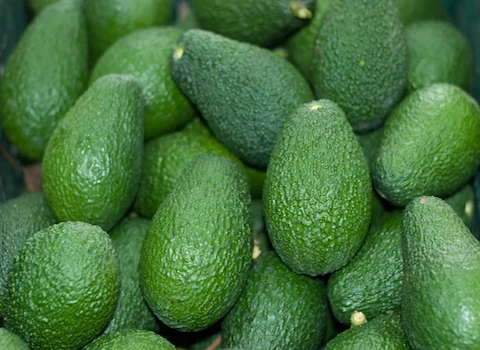
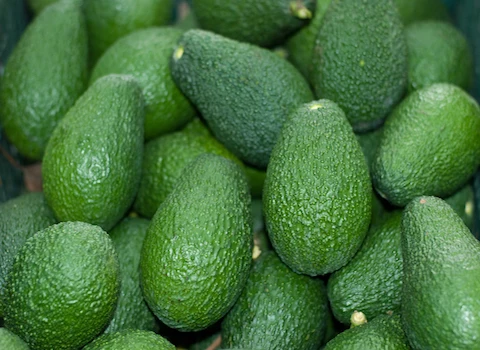
Avocados are popular fresh produce items used in salads, sandwiches, prepared meals, and numerous household recipes. Uganda grows different avocado varieties, including Hass and suitable green-skinned types. NextoAgro Exports welcomes sourcing enquiries for fresh avocados according to variety, fruit size, maturity, firmness, skin condition, and purchasing quantities. Export-quality avocado handling requires particular attention to harvest maturity, appropriate refrigeration, and protection against bruising during transportation.
Fresh Pineapples from Uganda to the UK
Ugandan pineapples are appreciated for their tropical flavour, aroma, and versatility in fresh consumption and food preparation. NextoAgro Exports helps buyers explore pineapple sourcing opportunities according to fruit size, maturity, external appearance, crown condition, and preferred quality grades. Because pineapples have different post-harvest characteristics from ripening fruits such as mangoes, their harvesting and transportation conditions should be agreed upon according to the intended market and expected transit period.
Fresh Mangoes from Uganda to the UK
Mangoes are among the tropical fruits that may attract interest from British wholesalers, fruit retailers, hospitality distributors, and specialist grocery businesses. NextoAgro Exports welcomes enquiries for suitable mango varieties according to seasonal availability, maturity, firmness, fruit size, and destination requirements. Mango export planning should also consider applicable fruit-fly controls, commodity-specific phytosanitary conditions, and post-harvest handling requirements before commercial orders are confirmed.
Fresh Passion Fruits from Uganda to the UK
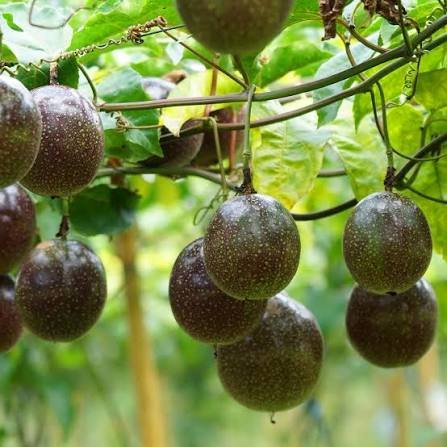
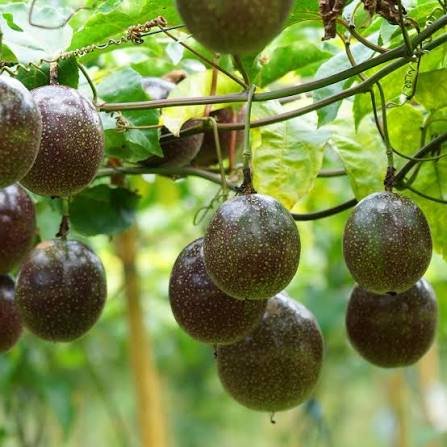
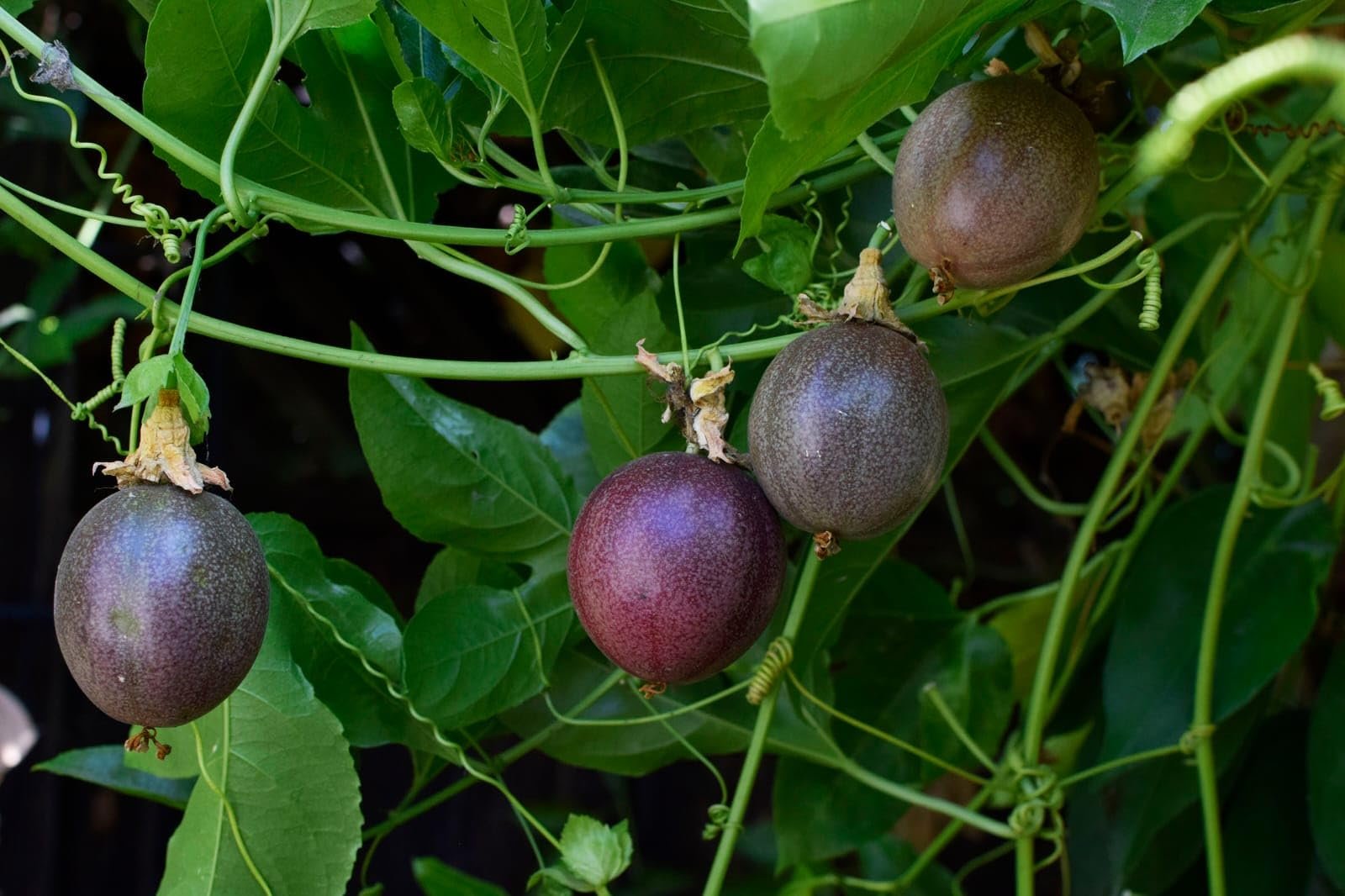
Passion fruits are valued for their distinctive aroma, acidic-sweet flavour, and suitability for desserts, beverages, fresh fruit assortments, and food processing. Uganda cultivates purple and yellow passion fruit types in suitable growing regions. NextoAgro Exports helps UK buyers discuss preferred varieties, fruit size, ripeness, skin appearance, pulp characteristics, and potential wholesale supply arrangements.
Fresh Bananas, Papayas and Other Tropical Fruits
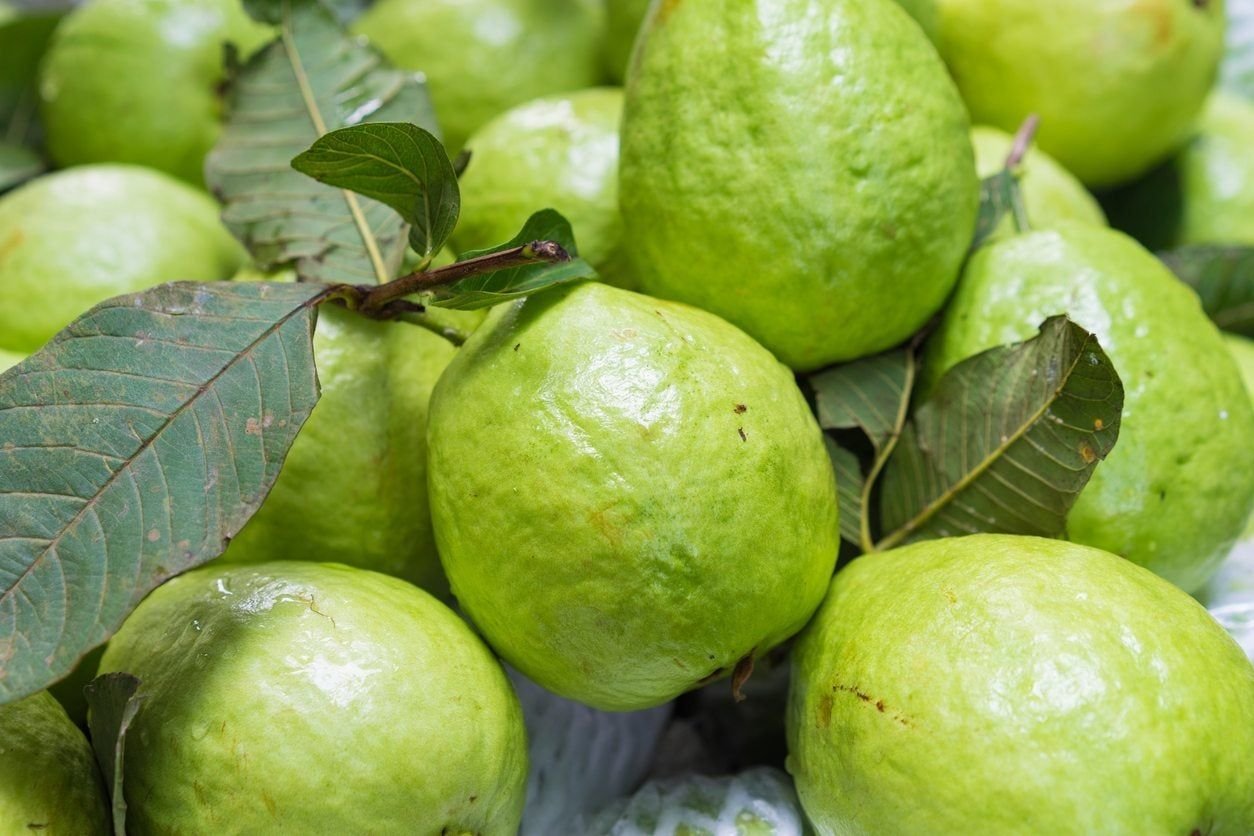
Uganda produces different banana varieties and other tropical fruits that may interest speciality food retailers and produce distributors. NextoAgro Exports welcomes enquiries involving dessert bananas, papayas, guavas, and additional fruit products where suitable agricultural supplies are available. Each fruit requires a separate assessment of import eligibility, market demand, quality grading, shipping conditions, and overall commercial feasibility.
Fresh Vegetables Available for Export Enquiries to the UK
Exporting Fresh Fruits and Vegetables from Uganda to the UK also involves identifying vegetables that match the needs of British wholesalers, restaurants, supermarkets, and speciality food businesses. NextoAgro Exports welcomes enquiries about fresh chillies, beans, peas, eggplants, okra, and other vegetables, subject to agricultural availability and applicable import controls.
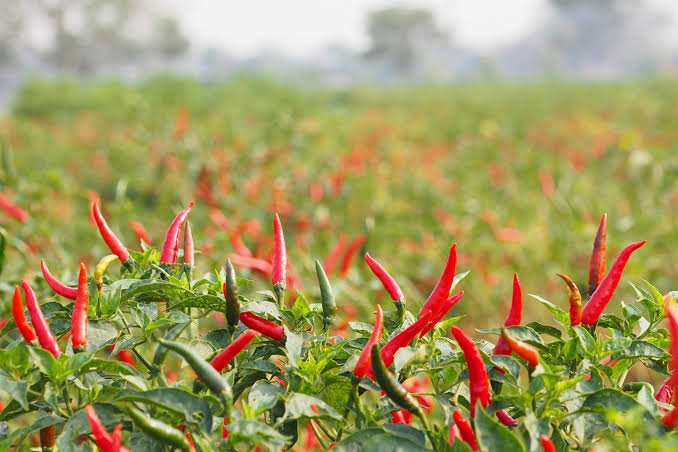
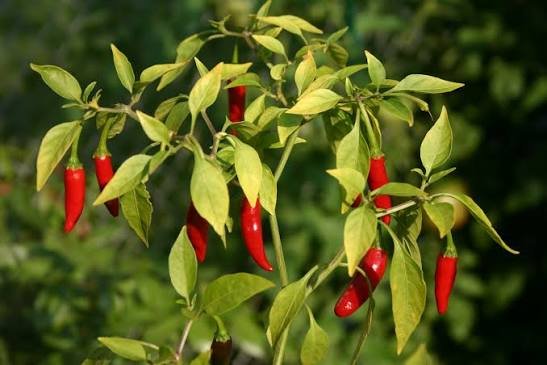
Fresh African Bird's Eye Chillies
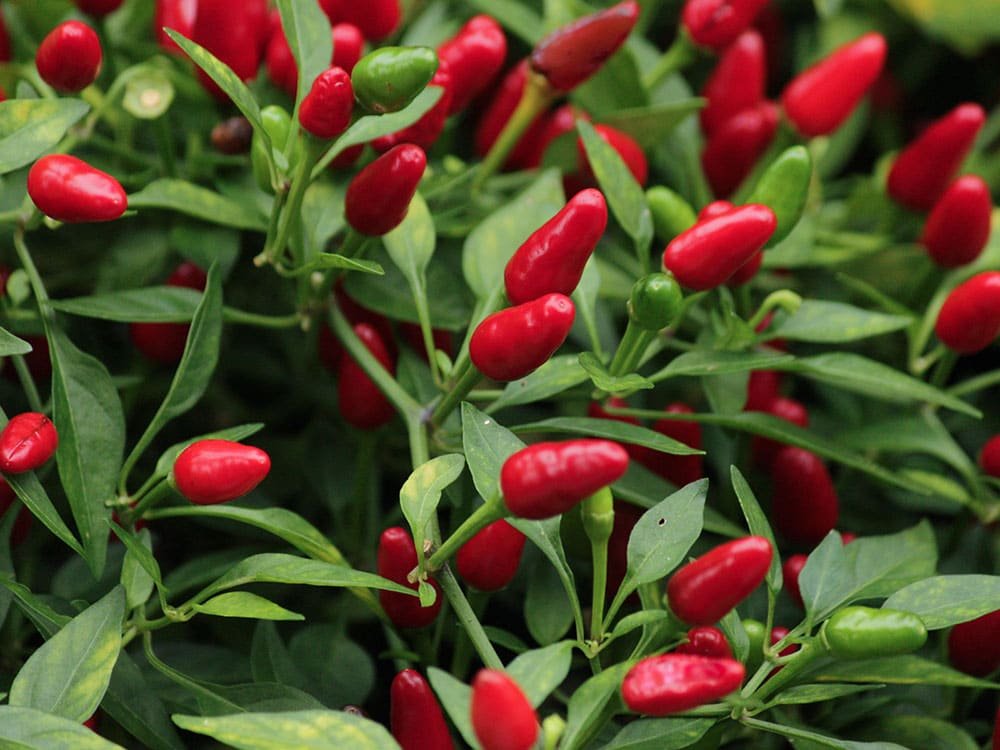
African Bird's Eye Chillies are known for their intense heat and culinary applications in sauces, marinades, spicy dishes, and speciality food processing. NextoAgro Exports welcomes sourcing enquiries involving fresh hot chillies according to size, colour, maturity, firmness, and purchasing quantities. UK buyers should pay particular attention to the additional food safety controls currently applicable to certain non-sweet Capsicum peppers originating from Uganda, including official certification and analytical testing requirements where prescribed.

Fresh Green Chillies and Hot Peppers
Fresh green chillies and other hot pepper varieties serve different culinary markets in the United Kingdom. NextoAgro Exports helps commercial buyers explore suitable sourcing opportunities based on chilli variety, pungency, colour, size, freshness, and packaging requirements. Importers should verify the product's exact classification because sweet peppers and non-sweet peppers may be subject to different regulatory conditions.

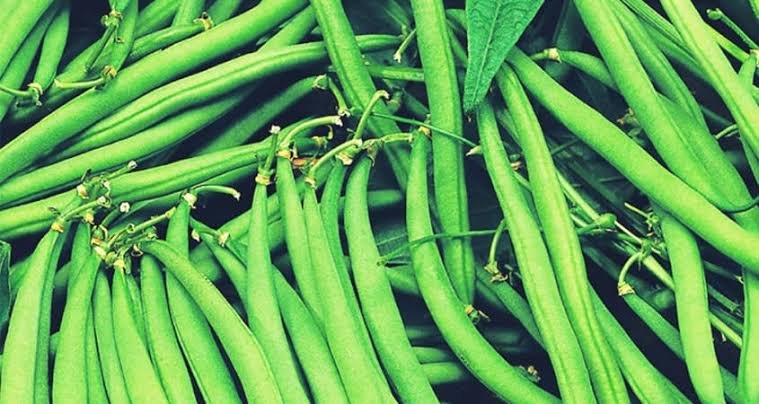
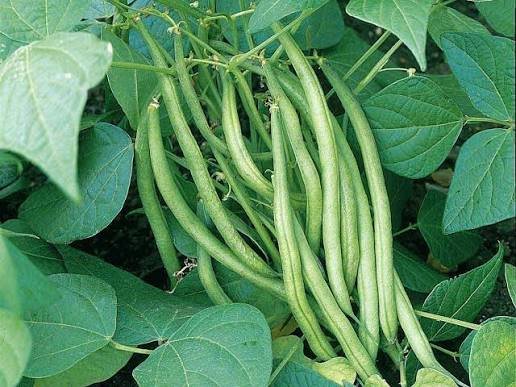
Fresh French Beans from Uganda
French beans are used by supermarkets, restaurants, catering companies, and prepared vegetable businesses. NextoAgro Exports welcomes enquiries for suitable fresh French beans based on pod length, diameter, colour, tenderness, maturity, and wholesale quantities. Bean quality depends on appropriate harvesting, careful grading, suitable packaging, and temperature management throughout the distribution process.
Fresh Snow Peas and Sugar Snap Peas
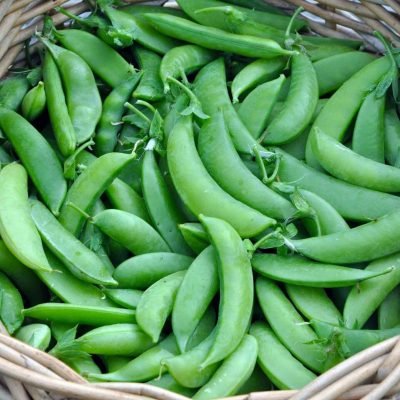
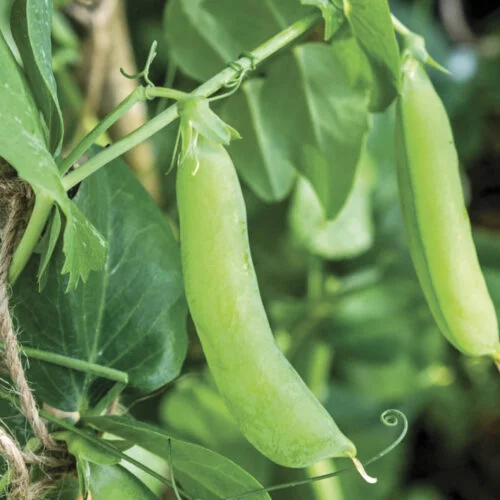
Snow peas and sugar snap peas are speciality vegetables used in stir-fries, salads, restaurant meals, and retail vegetable assortments. NextoAgro Exports welcomes sourcing enquiries for these products where suitable agricultural supplies and compliant export arrangements are available. Buyers may specify pod size, colour, tenderness, maturity, appearance, and preferred packaging quantities.
Fresh Okra from Uganda
Fresh okra is particularly relevant to speciality grocery businesses, African food distributors, restaurants, and other markets where the vegetable is used regularly. NextoAgro Exports helps UK buyers explore sourcing opportunities for okra according to pod length, tenderness, colour, freshness, and commercial volumes. Because okra is sensitive to unsuitable storage temperatures and handling, transport conditions should reflect the product's specific requirements.
Fresh Eggplants and African Aubergines
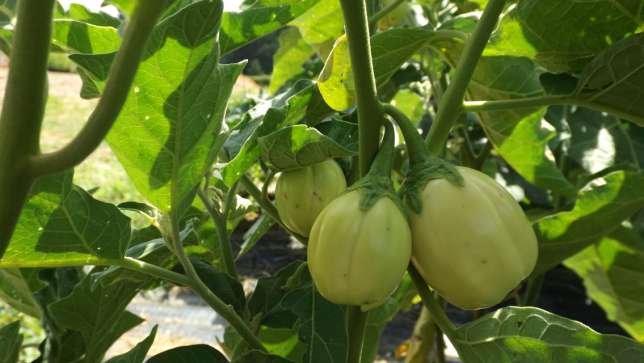
Uganda produces different eggplant varieties that may appeal to commercial vegetable distributors and speciality food retailers. NextoAgro Exports welcomes sourcing enquiries for conventional eggplants and selected African aubergine types according to availability. Buyers can specify preferred fruit size, colour, firmness, maturity, external appearance, and intended culinary use.
Other Fresh Vegetable Supply Enquiries
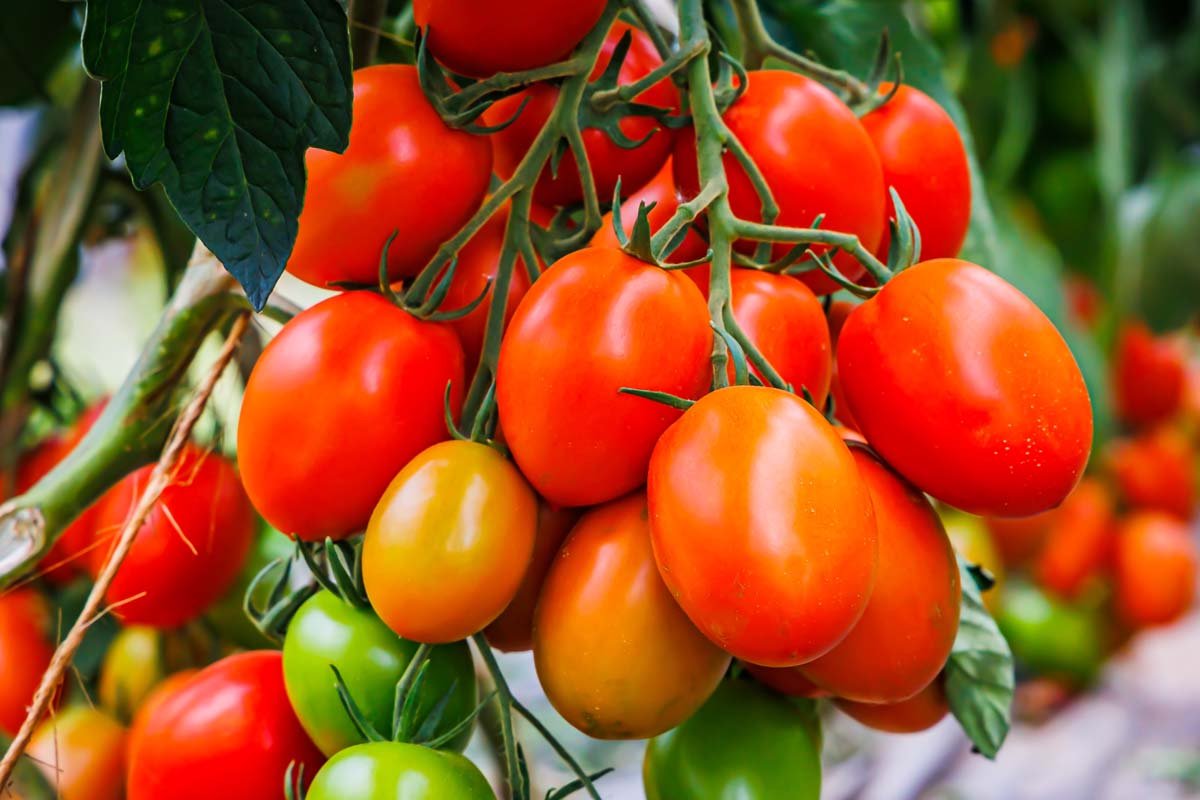
NextoAgro Exports also welcomes enquiries for carrots, tomatoes, cabbages, onions, sweet potatoes, and other agricultural products cultivated in Uganda. Not every vegetable is equally suitable for the UK market or economically practical to export by air. Commercial feasibility depends on freshness requirements, available quality, shipment volume, plant-health eligibility, packaging costs, and transportation expenses.
How NextoAgro Exports Supports Fresh Produce Sourcing for UK Buyers
Businesses exploring Exporting Fresh Fruits and Vegetables from Uganda to the UK benefit from understanding how products move from farms to international markets. NextoAgro Exports focuses on helping customers evaluate commercial sourcing arrangements according to product specifications, agricultural availability, handling needs, and export requirements.
Identifying Suitable Agricultural Produce
The first consideration is identifying the specific fruits or vegetables required by the UK importer. NextoAgro Exports welcomes detailed enquiries about varieties, preferred sizes, maturity, quality grades, purchasing quantities, and intended customers. Clear specifications help determine which agricultural sourcing opportunities may be commercially suitable.
Evaluating Seasonal Availability
Agricultural production changes according to crop, region, rainfall, planting schedules, and harvesting conditions. NextoAgro Exports recognises the importance of confirming availability before committing to large orders or recurring deliveries. Advance procurement planning is particularly useful when buyers require particular mango varieties, speciality vegetables, or consistent quantities of highly perishable products.
Establishing Produce Quality Requirements
NextoAgro Exports encourages buyers to specify quality requirements before sourcing arrangements are finalised. Product expectations may include acceptable appearance, maturity, firmness, uniformity, root or fruit size, permissible cosmetic defects, and particular packaging formats. International produce purchasing is more effective when both parties understand the agreed commercial grade and inspection criteria.
Considering Post-Harvest Handling Requirements
Fresh produce quality can deteriorate rapidly if fruits or vegetables are exposed to unsuitable temperatures, unnecessary delays, poor ventilation, or rough handling. NextoAgro Exports recognises the importance of appropriate harvesting, careful sorting, hygienic handling, protective packaging, and suitable temperature management when discussing potential exports to the United Kingdom.
UK Import Requirements for Fresh Fruits and Vegetables from Uganda
Understanding import regulations is essential when Exporting Fresh Fruits and Vegetables from Uganda to the UK. Uganda is treated as a non-European Union country for the applicable British plant-health import framework. Requirements depend on the particular commodity, its risk classification, destination, intended use, and any additional food safety or marketing controls.
NextoAgro Exports encourages commercial customers to verify the latest import conditions before confirming individual products or shipment arrangements.
Great Britain and Northern Ireland Import Rules
Great Britain consists of England, Scotland, and Wales, while Northern Ireland operates under a different plant-health regulatory framework that continues to apply relevant European Union sanitary and phytosanitary rules. Consequently, a fruit or vegetable consignment intended for London, Manchester, Birmingham, or Glasgow may have different regulatory requirements from one intended for Belfast. NextoAgro Exports encourages buyers to identify their exact destination and confirm the corresponding rules before arranging exports.
UK Plant Health Risk Categories
Great Britain classifies imported plants and plant products into high-risk, medium-risk A, medium-risk B, and low-risk categories. These classifications determine whether phytosanitary certificates, pre-notification, inspections, and other plant-health controls apply. High-risk and medium-risk A products generally face more extensive procedures, while medium-risk B products require phytosanitary certification but are treated differently for certain notification and inspection purposes. Low-risk products are generally exempt from plant-health controls, although other customs, food safety, and marketing requirements may still apply.
Phytosanitary Certificates for Ugandan Produce
A phytosanitary certificate is an official plant-health document issued by the competent authority in the exporting country. In Uganda, the relevant national plant protection responsibilities are carried out through the Department of Crop Inspection and Certification under the Ministry of Agriculture, Animal Industry and Fisheries. NextoAgro Exports recognises the importance of confirming when phytosanitary certification is required, ensuring that consignments satisfy applicable inspection conditions, and arranging the necessary documentation through authorised procedures.
IPAFFS Import Notifications
The Import of Products, Animals, Food and Feed System, commonly known as IPAFFS, is used by British importers or their agents to notify the authorities about specified regulated products entering Great Britain. For relevant high-risk and medium-risk A plant products, importers must meet applicable registration and advance notification requirements. NextoAgro Exports encourages UK buyers to clarify which party will handle import notifications, documentary submissions, and inspection arrangements before goods are dispatched.
Border Control Posts and Plant Health Inspections
Certain regulated fresh produce consignments entering Great Britain may need to pass through an authorised Border Control Post or another approved inspection facility. Depending on the product's risk category and inspection selection, authorities may conduct documentary, identity, or physical checks. NextoAgro Exports recognises that importers should select arrival points capable of handling their particular commodities and allow appropriate time for inspections.
Import Restrictions and Commodity Eligibility
Some agricultural products may face specific import conditions or restrictions because of plant pests, diseases, or other regulatory risks. Exporting Fresh Fruits and Vegetables from Uganda to the UK therefore requires checking each product individually before sourcing or shipment. NextoAgro Exports welcomes enquiries from buyers who can provide the intended commodity, destination, and relevant import specifications so sourcing feasibility can be evaluated.
Food Safety and Pesticide Residue Requirements for UK Imports
UK food safety requirements are an essential part of exporting fresh agricultural produce. NextoAgro Exports recognises that acceptable appearance alone does not establish compliance with food safety regulations. Commercial importers should consider pesticide residue limits, hygiene, traceability, contamination risks, and any additional controls that apply to specified products.
Maximum Residue Limits for Fresh Produce
Maximum residue limits, commonly called MRLs, define permitted pesticide residue levels for particular foods under the relevant legal framework. Great Britain maintains its own MRL system, while Northern Ireland follows applicable European Union rules. NextoAgro Exports encourages importers to confirm the correct limits for each fruit or vegetable and identify any necessary residue testing before placing commercial orders.
Additional Controls for Certain Ugandan Hot Peppers
Some fresh produce imports face additional official controls because of identified food safety risks. Under current Great Britain controls, certain non-sweet Capsicum peppers originating from Uganda are subject to special conditions relating to pesticide residues. These include requirements for official certification and laboratory analysis, alongside applicable border controls. NextoAgro Exports recognises that UK importers purchasing African Bird's Eye Chillies or other relevant hot peppers must confirm the latest commodity-specific requirements before shipment.
Agricultural Traceability and Product Origin
Traceability helps importers understand where produce was grown and how it has been handled during harvesting, packing, and distribution. NextoAgro Exports recognises that UK customers may require grower identification, harvest records, lot references, packing information, pesticide application records, or other available supporting documentation. The precise requirements depend on commodity, buyer specifications, and applicable regulations.
Food Hygiene and Produce Handling
Fresh fruits and vegetables should be handled under hygienic conditions to minimise contamination and deterioration. NextoAgro Exports considers appropriate washing practices, clean equipment, suitable packing materials, worker hygiene, and controlled storage conditions when discussing agricultural sourcing opportunities. The type of produce and intended market determine which specific controls are most relevant.
Buyer Certifications and Supermarket Requirements
Some UK retailers and commercial importers may request recognised agricultural certifications, documented food safety management systems, or additional third-party audits. NextoAgro Exports welcomes enquiries involving requirements such as GLOBALG.A.P. or other buyer-specific standards. The availability and validity of any certification should be verified for the particular producer, packhouse, or supply arrangement before commercial acceptance.
Fresh Fruit and Vegetable Marketing Standards in the United Kingdom
Commercial produce entering Great Britain may be subject to marketing standards covering quality, appearance, grading, and labelling. NextoAgro Exports recognises that UK importers should check whether their products fall under a Specific Marketing Standard or the General Marketing Standard and establish the associated documentation requirements.
Specific Marketing Standards
Specific Marketing Standards apply to designated fruit and vegetable categories, including certain common retail products such as citrus fruits, tomatoes, and other specified commodities. They may regulate matters such as minimum quality, sizing, classification, tolerances, and product presentation. Where required for direct imports from non-EU countries, a certificate of conformity must be arranged through the appropriate procedures. NextoAgro Exports encourages buyers to confirm whether their selected products fall within this category.
General Marketing Standards
Many other fresh fruits and vegetables fall under the General Marketing Standard, which establishes baseline requirements for products placed on the market. NextoAgro Exports recognises that commercial buyers should discuss sound condition, acceptable defects, country-of-origin labelling, and other applicable requirements before approving consignments.
Produce Packaging and Country-of-Origin Labelling
Appropriate labelling supports traceability, product identification, and commercial distribution. Depending on the commodity and marketing rules, packaging may need to identify the produce, its country of origin, and other required commercial information. NextoAgro Exports helps buyers discuss labelling preferences and packaging specifications, with the final requirements confirmed against applicable British regulations.
Export Documentation Required for Uganda–UK Fresh Produce Shipments
Exporting Fresh Fruits and Vegetables from Uganda to the UK involves documentation on both the Ugandan export side and the British import side. The exact documents depend on the commodity, transport method, commercial terms, plant-health classification, and importing-country conditions. NextoAgro Exports recognises the importance of establishing document responsibilities before shipments are arranged.
Ugandan Exporter Registration and Agricultural Approval
Uganda's Ministry of Agriculture, Animal Industry and Fisheries has published procedures for registering and approving fresh fruit and vegetable exporters. These procedures address matters such as business registration, agricultural sourcing, packhouse arrangements, traceability, inspections, and compliance with horticultural export requirements. NextoAgro Exports recognises that the applicable approvals and exporter responsibilities must be confirmed before undertaking regulated commercial consignments.
Commercial Invoice and Packing List
A commercial invoice identifies the seller, buyer, products, agreed values, and transaction details. A packing list provides information about the physical shipment, including the type of produce, number of packages, weights, and packaging specifications. NextoAgro Exports encourages commercial customers to agree on consistent product descriptions and accurate shipment information to support customs processing and delivery.
Phytosanitary and Additional Food Safety Certificates
Regulated commodities may require phytosanitary certification issued by Uganda's competent plant-health authority. Certain higher-risk food products may also require additional official certificates or laboratory analysis results. NextoAgro Exports recognises that buyers should identify all applicable documentation before goods leave Uganda, because missing certificates can result in rejection, delay, or additional costs.
Transport and Cargo Documentation
International air freight commonly requires an air waybill, while sea freight arrangements generally use appropriate bills of lading or equivalent transport documents. NextoAgro Exports welcomes discussions about the preferred shipment method, cargo details, and documentation requirements. All transport arrangements should reflect the perishability, packaging, and handling needs of the selected agricultural products.
UK Customs Declarations and EORI Numbers
Businesses importing into Great Britain generally require a GB Economic Operators Registration and Identification number, commonly called an EORI number, and must follow the applicable customs declaration procedures. Northern Ireland transactions may require different identification arrangements. NextoAgro Exports encourages UK importers to coordinate with their customs representatives before arranging shipments so commodity classifications, documentation, and clearance responsibilities are established.
UK Import Duties and Trade Preferences for Ugandan Produce
Commercial buyers should consider customs duty, freight expenses, inspection fees, customs brokerage, and other relevant import costs when evaluating agricultural sourcing opportunities. NextoAgro Exports recognises that preferential trade arrangements can influence the commercial attractiveness of Ugandan agricultural exports.
Uganda and the Developing Countries Trading Scheme
Uganda is included in the United Kingdom's Developing Countries Trading Scheme under the Comprehensive Preferences category. This arrangement provides favourable tariff treatment for eligible originating products, subject to the applicable rules and evidence of origin. NextoAgro Exports encourages buyers to check the correct commodity code, applicable preferential duty rate, and origin documentation rather than assuming that every shipment automatically qualifies for a particular tariff treatment.
Commodity Codes and Import Classification
Fresh fruits and vegetables must be classified under suitable commodity codes for customs purposes. The classification influences tariff treatment, declarations, and potentially other regulatory measures. NextoAgro Exports encourages UK importers to confirm the precise product description and commodity code through their customs representative before goods are shipped.
Calculating the Full Landed Cost
The landed cost of imported produce extends beyond the farm or export purchase price. It may include agricultural handling, cartons, inspection charges, inland transport, international freight, customs clearance, duties where applicable, storage, and final delivery. NextoAgro Exports welcomes quotation requests that identify the intended destination and preferred trade terms so buyers can evaluate commercially realistic procurement arrangements.
Packaging and Cold-Chain Management for Uganda–UK Fresh Produce
Suitable packaging and temperature management are critical when transporting perishable agricultural products internationally. NextoAgro Exports recognises that avocados, mangoes, passion fruits, French beans, chillies, and other products have different physiological characteristics and should not automatically be packed or stored under identical conditions.
Fresh Fruit Export Cartons
Fresh fruits may require strong cartons with suitable ventilation, appropriate internal arrangements, and protection against compression or abrasion. NextoAgro Exports considers fruit size, ripeness, packaging weight, stacking strength, and expected transit conditions when discussing commercial packing arrangements. Buyer-specific presentation and labelling requirements should be agreed upon before packing.
Fresh Vegetable Export Packaging
Fresh vegetables such as French beans, snow peas, chillies, and okra may require protective cartons, liners, trays, or other suitable commercial packaging. NextoAgro Exports recognises that packing should minimise bruising, crushing, dehydration, and deterioration while providing appropriate ventilation and temperature management.
Temperature Management for Different Products
Cold-chain management helps preserve freshness and reduce deterioration, but the correct temperature depends on the individual commodity. Some vegetables benefit from very cool storage conditions, while tropical fruits and products such as okra can develop chilling injury if exposed to excessively low temperatures. NextoAgro Exports encourages commodity-specific storage and transport planning instead of using one refrigeration setting for all produce.
Loading and Handling of International Shipments
Commercial produce should be handled carefully during farm collection, sorting, packing, inland transportation, airport or port operations, and final delivery. NextoAgro Exports recognises the importance of minimising unnecessary delays, protecting packaging integrity, and maintaining appropriate environmental conditions. Poor handling can reduce product quality even when fruits and vegetables were initially harvested in good condition.
Air Freight from Uganda to the UK
Air freight is an important transportation option for highly perishable agricultural products requiring relatively fast delivery. Exporting Fresh Fruits and Vegetables from Uganda to the UK by air may be commercially suitable for selected vegetables, speciality fruits, and premium products, depending on the cargo service, order quantity, freight rate, and destination requirements.
Air Cargo Through Entebbe International Airport
Entebbe International Airport is Uganda's principal international aviation gateway and an important point for evaluating fresh produce air freight arrangements. NextoAgro Exports welcomes enquiries involving potential air cargo shipments according to product characteristics, packaging, volume, available airline services, and destination airport requirements. Actual schedules, space availability, and cargo acceptance conditions must be confirmed with the relevant service providers.
Choosing Suitable Products for Air Freight
Certain fresh vegetables and fruits may be commercially more suitable for air freight because they are highly perishable or intended for premium speciality markets. NextoAgro Exports helps buyers evaluate the relationship between product value, expected freshness, packaging weight, and transportation cost. The fastest freight option is not automatically the most economical choice for every agricultural product.
Arrival and Distribution Within the United Kingdom
After arrival, imported produce may require customs clearance, plant-health or food safety checks, temperature-controlled collection, and onward delivery to wholesale markets or distribution facilities. NextoAgro Exports encourages UK buyers to establish their receiving arrangements before dispatch so that perishable goods are not exposed to unnecessary delays.
Sea Freight and Bulk Fresh Produce Shipping from Uganda to the UK
Sea freight may be considered for suitable wholesale consignments where product shelf life, packaging, shipment size, and commercial value justify longer transportation periods. Because Uganda is landlocked, ocean shipments require inland transportation to an appropriate seaport before international shipping.
Inland Transportation to East African Seaports
Ugandan export cargo can be transported overland to suitable regional seaports, including Mombasa in Kenya, depending on available logistics routes and services. NextoAgro Exports recognises that this inland transport stage must be incorporated into the total delivery schedule, handling arrangements, and freight quotation.
Refrigerated Containers for Fresh Produce
Refrigerated containers can support the transportation of suitable agricultural products over longer distances when appropriate temperature, ventilation, and humidity settings are maintained. NextoAgro Exports welcomes enquiries about potential reefer shipping arrangements, subject to cargo compatibility, product condition, available logistics services, and expected transit duration.
When Sea Freight May Be Commercially Suitable
Sea freight feasibility depends on the specific product, its maturity, shelf life, packaging, available cargo volume, and expected transit time. NextoAgro Exports recognises that highly perishable vegetables may not be suitable for extended sea journeys without specialised handling arrangements. Buyers should evaluate commercial losses and quality risks alongside the apparent savings in transportation costs.
Wholesale Fresh Produce Supply for UK Supermarkets, Importers and Distributors
NextoAgro Exports welcomes enquiries from different categories of British agricultural buyers. Our sourcing discussions reflect the fact that supermarket suppliers, speciality grocery distributors, restaurant wholesalers, and food processors may require different products, grading systems, packaging formats, and purchasing schedules.
UK Supermarkets and Retail Produce Suppliers
Supermarket supply chains commonly require consistent sizes, suitable maturity, attractive presentation, traceability, and compliance with applicable retail specifications. NextoAgro Exports welcomes enquiries from businesses seeking suitable Ugandan agricultural products for retail distribution. Any required certifications, audits, quality standards, and labelling conditions should be established before sourcing agreements are confirmed.
Fresh Produce Wholesalers and Importers
Wholesale importers may purchase fresh fruits and vegetables for redistribution to smaller shops, markets, food service companies, and regional suppliers. NextoAgro Exports helps commercial buyers explore suitable agricultural sourcing opportunities based on preferred products, commercial quantities, packaging, and transport arrangements.
African and International Food Distributors
Speciality food distributors may require fresh chillies, okra, eggplants, tropical fruits, and other produce used in African and international cuisines. NextoAgro Exports welcomes enquiries from such businesses, subject to product availability and the import eligibility of the individual commodities. Importers should also consider consumer preferences, expected sales volumes, and freshness requirements.
Hotels, Restaurants and Catering Suppliers
Commercial kitchens may require speciality vegetables and tropical fruits for menus, desserts, sauces, and prepared dishes. NextoAgro Exports welcomes sourcing enquiries from food service wholesalers and hospitality distributors serving the United Kingdom. Product requirements can include particular varieties, ripeness stages, unit sizes, and convenient commercial packaging.
UK Food Processing Businesses
Food processors may require agricultural products for juices, purées, sauces, prepared vegetables, frozen foods, and other manufactured products. NextoAgro Exports helps buyers explore sourcing opportunities according to suitable raw material characteristics, expected processing volumes, and applicable food safety requirements. Different processing applications may accept different grades from those preferred by retail markets.
How to Order Fresh Fruits and Vegetables from Uganda for UK Import
Importers exploring Exporting Fresh Fruits and Vegetables from Uganda to the UK can begin by preparing a detailed sourcing enquiry. NextoAgro Exports welcomes discussions with businesses that have identified their preferred commodities, quantities, quality specifications, packaging requirements, and delivery destinations.
Confirm the Product and Preferred Variety
Buyers should identify the exact fruit or vegetable required, including the variety where relevant. NextoAgro Exports encourages customers to specify characteristics such as avocado type, chilli variety, bean length, fruit size, maturity, or preferred flesh colour. These details help establish whether suitable agricultural supplies may be available.
Provide Estimated Wholesale Quantities
Estimated purchasing quantities help evaluate sourcing availability, packaging arrangements, and freight feasibility. NextoAgro Exports welcomes both initial commercial enquiries and discussions about recurring supply opportunities. Minimum order requirements depend on the product, harvest availability, destination, and transportation conditions.
Agree on Quality and Packaging Requirements
Buyers should describe the relevant grading, appearance, maturity, packaging, and labelling standards. NextoAgro Exports recognises that clear specifications are important for reducing disputes and ensuring a shared understanding of the intended commercial product.
Verify UK Import Eligibility
Before confirming an order, UK importers should establish the applicable plant-health risk category, food safety requirements, customs classification, and any additional commodity-specific restrictions. NextoAgro Exports encourages buyers to coordinate with qualified customs and regulatory service providers where necessary, particularly for higher-risk products.
Discuss Freight and Delivery Arrangements
Transportation planning should consider product perishability, cargo size, freight costs, receiving facilities, and intended delivery schedules. NextoAgro Exports welcomes discussions about suitable commercial shipping options according to the product and destination.
Request a Commercial Quotation
Buyers can contact NextoAgro Exports with their purchasing specifications and destination details to discuss available sourcing opportunities. Quotations should identify the agreed products, quantities, packaging, and commercial delivery terms so both parties understand the scope of the transaction.
Why Work with NextoAgro Exports for Uganda–UK Fresh Produce Sourcing?
NextoAgro Exports aims to help international agricultural buyers explore commercially suitable fresh produce sourcing opportunities from Uganda. Our approach considers the different needs of fresh fruit importers, vegetable wholesalers, speciality food distributors, supermarkets, and processing businesses.
Rather than treating every product as interchangeable, we recognise the importance of individual crop characteristics, suitable harvesting maturity, clear grading, protective packaging, and destination-specific import requirements. NextoAgro Exports welcomes professional discussions with UK customers who require information about product availability, purchasing quantities, handling arrangements, and potential export logistics.
For businesses interested in Exporting Fresh Fruits and Vegetables from Uganda to the UK, the most effective sourcing process begins with realistic product specifications, verified import eligibility, appropriate food safety controls, and well-planned transportation. NextoAgro Exports is available to discuss potential purchasing opportunities according to these commercial considerations.
Request a Fresh Fruit and Vegetable Export Quotation for the UK
Are you a UK importer, supermarket distributor, wholesaler, food processor, or speciality food supplier interested in sourcing agricultural produce from Uganda? NextoAgro Exports welcomes commercial enquiries for fresh fruits and vegetables cultivated in Uganda, subject to availability, quality requirements, and destination-market regulations.
Contact NextoAgro Exports with the names of the fruits or vegetables you require, preferred varieties, estimated purchasing quantities, quality specifications, packaging requirements, and UK delivery destination. Our team can discuss potential agricultural sourcing opportunities, available products, wholesale quotations, and suitable export arrangements according to your business requirements.
Frequently Asked Questions About Exporting Fresh Fruits and Vegetables from Uganda to the UK
1. Can I import fresh fruits and vegetables from Uganda to the UK?
Yes, selected fresh fruits and vegetables can be imported from Uganda where they meet the applicable UK import requirements. NextoAgro Exports welcomes sourcing enquiries, but the plant-health eligibility, food safety rules, and documentation for each commodity must be confirmed before shipment.
2. What fruits can be sourced from Uganda for UK import?
Uganda produces avocados, pineapples, mangoes, passion fruits, bananas, papayas, and other tropical fruits. NextoAgro Exports helps UK buyers explore available products according to variety, quality, quantity, shipping feasibility, and import eligibility.
3. What vegetables can I source from Uganda for the UK market?
Potential sourcing enquiries may include fresh chillies, French beans, snow peas, sugar snap peas, okra, and eggplants. NextoAgro Exports welcomes commercial requests, subject to product availability and the specific UK import controls applying to each vegetable.
4. Do fresh fruits and vegetables from Uganda require phytosanitary certificates?
Some products require phytosanitary certification, while others may fall into lower-risk categories with different requirements. The necessary documentation depends on the commodity, plant-health risk classification, and destination within the UK.
5. What is IPAFFS, and does a UK importer need to use it?
IPAFFS is the British notification system for specified regulated imports, including certain plants, plant products, and higher-risk foods. A UK importer or authorised agent must use it where applicable, according to the commodity's classification and notification requirements.
6. Are Uganda's fresh chillies allowed into the UK?
Certain fresh chillies may be imported when all applicable requirements are satisfied. Some non-sweet Capsicum peppers from Uganda are subject to additional official food safety controls, including certification and laboratory testing requirements, which importers must verify before shipment.
7. Is air freight or sea freight better for exporting fresh produce from Uganda?
Air freight can be suitable for highly perishable or premium products requiring faster delivery, while sea freight may be economical for suitable larger consignments with sufficient storage life. NextoAgro Exports helps buyers consider product characteristics, packaging, freight costs, and commercial feasibility.
8. Are there preferential UK import tariffs for agricultural products from Uganda?
Uganda is included in the UK's Developing Countries Trading Scheme under Comprehensive Preferences. Qualifying originating products may benefit from preferential tariff treatment, but buyers must confirm the applicable commodity code, rules of origin, and documentary requirements.
9. Can NextoAgro Exports supply fresh produce to UK supermarkets and wholesalers?
NextoAgro Exports welcomes sourcing enquiries from UK supermarkets, wholesale importers, speciality food distributors, and food processors. Commercial arrangements depend on available produce, purchasing quantities, buyer quality specifications, import eligibility, and suitable logistics.
10. How can I order fresh fruits and vegetables from Uganda through NextoAgro Exports?
Contact NextoAgro Exports with your preferred fruit or vegetable varieties, quality grades, estimated wholesale quantities, packaging requirements, and destination within the United Kingdom. Our team can discuss available agricultural sourcing opportunities, quotation requirements, and relevant export considerations.