Fresh Produce Packaging and Quality Standards for Export from Uganda – Essential Guide
Fresh Produce Packaging and Quality Standards for Export from Uganda are essential considerations for international agricultural importers, fresh fruit wholesalers, supermarket distributors, food processing companies, hotels, restaurants, and commercial buyers seeking quality agricultural products from East Africa. Uganda's tropical agricultural environment supports the cultivation of numerous fruits and vegetables, including Hass avocados, pineapples, mangoes, passion fruits, bananas, papayas, chillies, tomatoes, eggplants, and other commercially valuable produce. Appropriate harvesting, sorting, grading, protective packaging, hygiene, and international transportation practices play an important role in maintaining the commercial quality of these agricultural products.
International fresh produce trade requires products to meet the expectations of buyers while satisfying applicable plant-health, food safety, and destination-market requirements. Different agricultural commodities have different handling characteristics, meaning the packaging suitable for fresh mangoes may not be appropriate for green chillies, French beans, tomatoes, or bananas. Exporters and importers must therefore consider product maturity, variety, size, texture, firmness, temperature sensitivity, packaging strength, ventilation, traceability, and expected transportation conditions before confirming commercial shipments.
NextoAgro Exports is a Uganda-based agricultural sourcing and export company connecting international buyers with suitable fresh fruits and vegetables grown in Uganda. We welcome wholesale sourcing enquiries involving specific quality grades, preferred varieties, packing formats, commercial quantities, and international delivery requirements. Our approach recognises the importance of appropriate agricultural sourcing, responsible post-harvest handling, clear product specifications, and compliance with relevant export and import regulations.
Understanding Fresh Produce Packaging and Quality Standards for Export from Uganda helps buyers make informed purchasing decisions, minimise avoidable product damage, identify suitable packaging arrangements, and prepare agricultural consignments for international distribution. Whether you require wholesale tropical fruits, fresh vegetables, or multiple agricultural products, this guide explains the principal quality and packaging considerations involved in exporting fresh produce from Uganda.
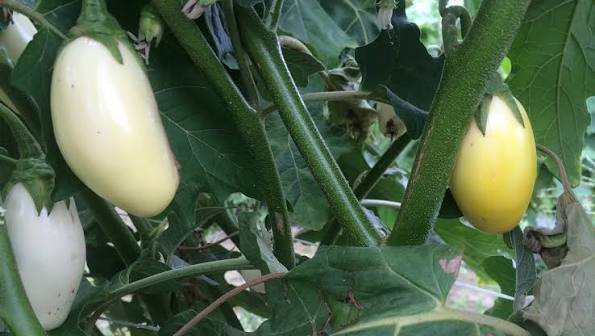
Why Fresh Produce Packaging and Quality Standards Matter for International Exports
Fresh fruits and vegetables are perishable agricultural products that continue undergoing biological processes after harvesting. Ripening, respiration, moisture loss, bruising, decay, and temperature exposure can influence their condition during transportation and distribution.
Appropriate packaging and quality control help protect produce from unnecessary damage while supporting commercially acceptable product presentation.
Protecting Freshness During International Transportation
Fresh produce can pass through several handling stages before reaching the final buyer. These may include harvesting, collection, sorting, packing, temporary storage, loading, inland transportation, airport or seaport handling, international freight, customs inspection, and wholesale distribution.
Each stage can affect freshness if the produce is exposed to excessive heat, rough handling, pressure, moisture loss, or unsuitable storage conditions. Appropriate packaging provides physical protection, while suitable temperature and humidity management help preserve quality.
For example, fresh Hass avocados need protection against compression and inappropriate ripening conditions, while fresh passion fruits require careful handling to maintain acceptable skin condition and commercial appearance.
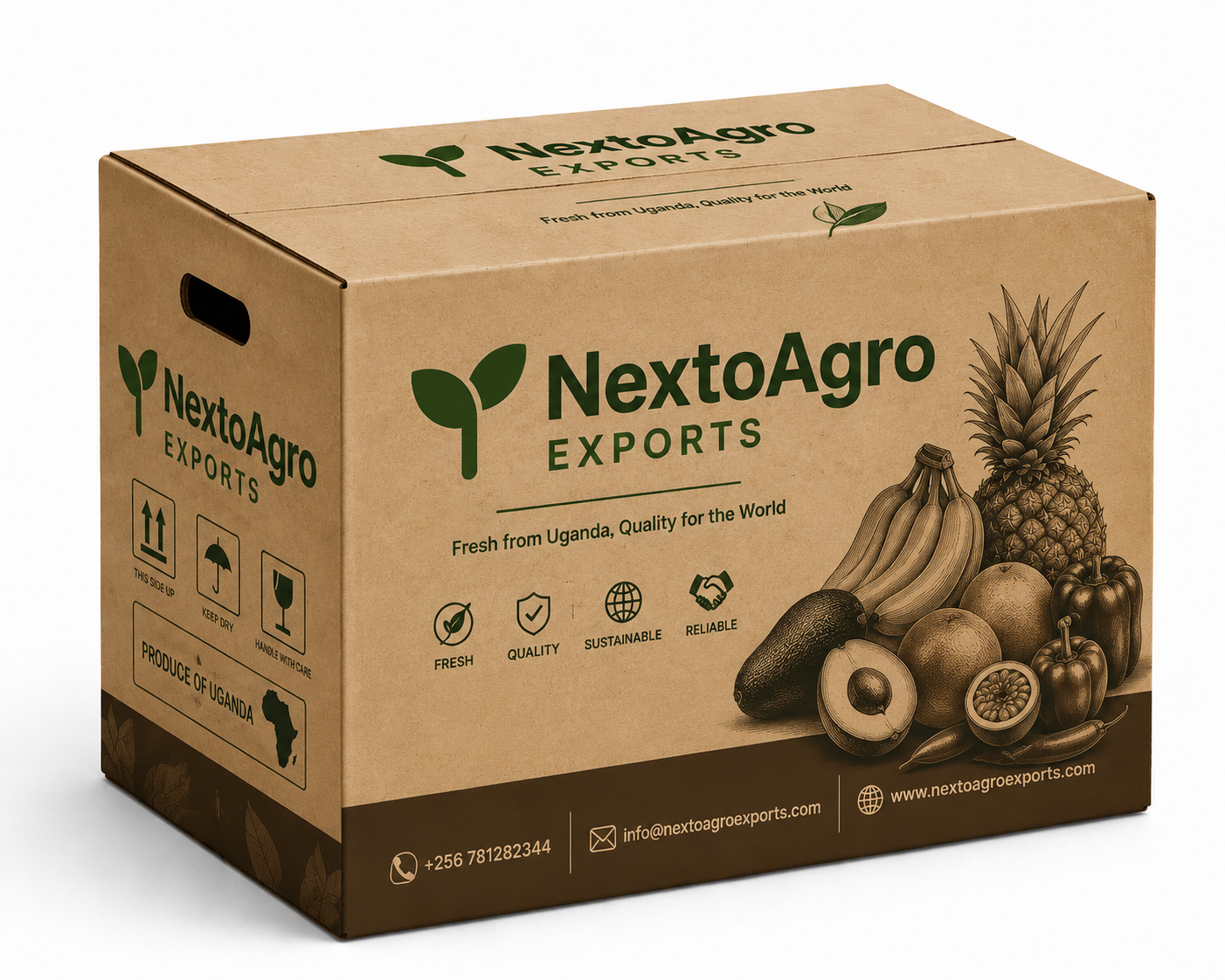
Meeting Wholesale Buyer Expectations
International agricultural buyers often establish quality specifications covering product variety, size, maturity, colour, firmness, appearance, acceptable defects, packaging, and labelling.
A supermarket distributor purchasing Tommy Atkins mangoes may require consistent fruit sizes and an agreed ripening stage, while a restaurant supplier importing fresh green chillies may focus on pod length, freshness, colour, and pungency.
NextoAgro Exports encourages buyers to communicate these requirements before ordering so available agricultural supplies can be evaluated against their commercial expectations.
Reducing Product Damage and Commercial Losses
Inadequate packaging can contribute to bruising, crushing, abrasion, water loss, and premature deterioration. These problems can reduce the quantity of marketable produce and create additional costs for importers.
Suitable cartons, crates, liners, dividers, and palletisation arrangements help reduce physical damage during handling and transport. However, packaging must also be compatible with the commodity's ventilation, humidity, and cooling requirements.
Supporting International Food Safety and Traceability
Fresh produce quality also includes food safety and traceability. International buyers may require information about agricultural origin, harvesting dates, pesticide use, packing facilities, lot identification, and handling conditions.
NextoAgro Exports recognises that responsible sourcing and appropriate traceability documentation are important when discussing international wholesale purchasing arrangements.
NextoAgro Exports' Approach to Fresh Produce Quality and Packaging
NextoAgro Exports welcomes enquiries from international commercial buyers seeking fresh fruits and vegetables with defined quality and packaging specifications.
We recognise that export quality cannot be established simply by describing agricultural produce as premium. Products should be evaluated according to the intended buyer's requirements, applicable commercial grading standards, destination-market regulations, and their expected ability to withstand transportation and distribution.
Our sourcing discussions consider preferred varieties, available harvests, fruit sizes, vegetable dimensions, maturity stages, acceptable defects, packaging formats, and commercial quantities.
Buyers interested in Ugandan agricultural products can communicate their specifications through our wholesale enquiry form. This allows potential sourcing arrangements and relevant packaging requirements to be considered before a commercial order is confirmed.
Harvesting Maturity and Quality Selection for Export Produce
Harvesting maturity is one of the most important factors influencing the quality of fresh fruits and vegetables destined for international markets.
Produce harvested too early may fail to develop the desired flavour, texture, or ripening characteristics. Products harvested too late may deteriorate before reaching the buyer.
Selecting the Appropriate Harvesting Stage
Different agricultural products have different maturity indicators. Mangoes may be evaluated through fruit shape, internal flesh development, and cultivar-specific characteristics, while avocados are assessed using suitable physiological maturity indicators, which may include dry-matter content.
Bananas intended for further ripening require different harvesting considerations from fruit being sold ripe. Tomatoes, peppers, and other vegetables also require maturity selection according to their intended market.
NextoAgro Exports encourages buyers to provide preferred maturity specifications for products such as Hass avocados, mangoes, bananas, and tomatoes.
Harvesting Without Unnecessary Physical Damage
Agricultural products should be harvested using suitable methods that minimise bruising, cuts, punctures, and other physical injuries.
Mangoes may require careful stem cutting and sap management, while delicate fruits should be placed into appropriate harvesting containers rather than dropped or compressed.
Harvesting equipment, containers, and working surfaces should be maintained in suitable hygienic condition. Produce should also be protected from prolonged direct sunlight and unnecessary exposure to adverse weather after harvesting.
Removing Unsuitable Produce
Damaged, decaying, severely bruised, or pest-infested products can reduce the overall quality of a commercial consignment.
Sorting procedures should identify produce that fails to meet the agreed standard, taking account of the relevant defect tolerances and food safety requirements.
Products showing rot or other conditions that make them unsafe for consumption should not be included in consignments intended for the fresh food market.
Fresh Fruit Packaging and Quality Standards for Export from Uganda
Different tropical fruits require different protective packaging, maturity selection, grading, and storage conditions.
NextoAgro Exports welcomes enquiries for individual fruits according to commercial availability and buyer-specific requirements.
Hass Avocado Export Packaging and Quality Standards
Hass avocados are popular in international supermarkets, restaurants, hotels, and fresh produce markets because of their creamy flesh and distinctive flavour. NextoAgro Exports welcomes enquiries for fresh Hass avocados from Uganda according to preferred fruit size, maturity, firmness, skin condition, and commercial quantities.
Avocados intended for export should be sufficiently mature to ripen normally and should be free from unacceptable bruising, decay, severe pest damage, and other significant defects. Buyers may request particular weight classifications, size codes, or maturity testing procedures depending on their intended market.
Protective ventilated cartons, trays, or suitable separators can help limit movement, compression, and abrasion during transportation. The selected packaging should support appropriate airflow without exposing the fruit to excessive dehydration.
Avocado storage temperature should be determined according to cultivar, physiological maturity, ripeness, and expected transportation period. Buyers should avoid assuming that all avocados require one universal refrigeration setting.
Fresh Mango Export Packaging Requirements
Uganda produces mango varieties that may be suitable for different international markets, including Tommy Atkins mangoes and Kent mangoes.
Mangoes should be selected according to suitable physiological maturity, fruit weight, shape, firmness, skin condition, and cultivar characteristics. Export buyers may establish requirements concerning fruit appearance, size uniformity, acceptable skin blemishes, and anticipated ripening conditions.
Mango packing requires attention to stem-end sap because sap leakage can cause skin staining or damage. Appropriate harvesting and handling techniques help reduce this risk.
Ventilated corrugated cartons, protective trays, and suitable fruit arrangements can help protect mangoes from abrasion and compression. Packing materials should be appropriate for the expected freight duration and humidity conditions.
Storage and transport conditions should reflect the mango cultivar and maturity stage. Excessively low temperatures can cause chilling injury, while prolonged heat exposure can accelerate deterioration.
Pineapple Export Packaging Standards
Ugandan pineapples are valued for their tropical flavour, aroma, and suitability for fresh consumption, beverages, desserts, and food preparation. NextoAgro Exports welcomes enquiries for fresh Ugandan pineapples according to fruit weight, maturity, crown condition, external appearance, and commercial quantities.
Commercial pineapple grading may consider fruit size, shape, maturity, colour development, crown condition, and the absence of unacceptable decay or physical damage.
Pineapples require packaging strong enough to support their weight and withstand handling. Cartons or crates should protect the fruits from crushing, excessive movement, and damage caused by contact between crowns and neighbouring fruit.
The selected packaging must also permit appropriate airflow and should be compatible with the anticipated storage and transportation conditions.
Importers should establish whether their buyers require crowned or crownless fruit and confirm any associated plant-health or product presentation requirements.
Passion Fruit Export Packaging and Quality
Passion fruits are valued for their distinctive flavour and use in juices, desserts, smoothies, sauces, and commercial beverage production.
NextoAgro Exports welcomes enquiries for fresh passion fruits according to variety, maturity, fruit size, appearance, skin condition, and commercial quantities.
Passion fruit quality specifications may differ according to whether the product is intended for fresh retail sale or further processing. Buyers may consider fruit colour, firmness, pulp characteristics, and acceptable external blemishes.
Suitable ventilated cartons or other protective food-grade packaging can help limit bruising and unnecessary movement during handling.
Appropriate temperature and humidity management are important because passion fruits can lose moisture and develop changes in skin appearance during storage.
Cavendish Banana Export Packaging Requirements
Cavendish bananas are widely traded internationally and require careful handling during harvesting, packing, transportation, and ripening.
NextoAgro Exports welcomes enquiries for fresh Cavendish bananas according to finger size, bunch characteristics, maturity, appearance, and purchasing quantities.
Bananas intended for controlled ripening after shipment are usually harvested at a suitable mature-green stage, taking account of cultivar characteristics and expected delivery conditions.
Banana packaging should minimise finger abrasion, pressure damage, and excessive movement. Suitable cartons, protective liners, and cushioning materials may be used according to the required packing system.
Temperature management is particularly important because bananas are sensitive to chilling injury. Their transport conditions should be planned separately from products that require substantially colder storage.
Businesses exploring other Ugandan varieties can review our Ugandan banana sourcing guide.
Apple Banana Export Packaging
Uganda produces speciality dessert bananas, including Ndiiza and Kabalagala varieties. NextoAgro Exports welcomes enquiries for Ugandan apple bananas, subject to agricultural availability and suitable export arrangements.
These varieties may have different fruit sizes, ripening characteristics, and commercial shelf-life expectations from standard Cavendish bananas.
Packaging should protect individual fruits from bruising and compression while allowing suitable airflow. Buyers should discuss ripening stage, packaging weights, transport conditions, and expected market presentation before ordering.
Papaya Export Packaging and Quality
Papayas are used in fresh fruit markets, restaurants, hotels, juices, smoothies, desserts, and commercial food preparation. NextoAgro Exports welcomes enquiries for fresh papayas according to fruit size, maturity, firmness, flesh characteristics, and packaging requirements.
Papayas can bruise relatively easily and should be handled carefully during harvesting, sorting, and packing. Suitable cushioning and protective cartons may reduce mechanical damage.
Because papayas continue ripening after harvest, their maturity stage should reflect the anticipated transportation and distribution period.
Appropriate temperature management is necessary to limit premature deterioration while avoiding chilling injury.
Oranges and Jackfruit Export Packaging
NextoAgro Exports also welcomes sourcing enquiries for fresh oranges and Ugandan jackfruit, subject to agricultural availability and destination-country import requirements.
Oranges may be graded according to size, maturity, skin condition, firmness, and other commercial specifications. Suitable cartons should protect the fruit from pressure damage and maintain appropriate ventilation.
Jackfruit presents different challenges because of its relatively large size, substantial weight, and variable maturity characteristics. Commercial buyers should establish preferred fruit weights, ripeness, packaging materials, and transport feasibility before confirming export arrangements.
Fresh Vegetable Packaging and Quality Standards for Export from Uganda
Fresh vegetables require suitable grading, protective packaging, and post-harvest handling because many varieties are vulnerable to moisture loss, wilting, bruising, temperature damage, or premature deterioration.
NextoAgro Exports welcomes enquiries from international wholesalers, supermarket distributors, restaurants, and food processors seeking available vegetables from Uganda.
African Bird's Eye Chilli Packaging Standards
African Bird's Eye Chillies are used in spicy sauces, condiments, marinades, and international food manufacturing. NextoAgro Exports welcomes sourcing enquiries for fresh African Bird's Eye Chillies according to pod size, colour, maturity, firmness, pungency, and wholesale quantities.
Fresh chillies should be sorted to remove unsuitable pods showing decay, severe damage, or unacceptable discolouration.
Ventilated cartons, crates, or appropriate food-grade packaging may be used depending on the purchasing quantity and destination requirements.
Buyers should establish suitable storage conditions because chillies can lose moisture and firmness under inappropriate handling. Pesticide residue compliance and commodity-specific import controls may also be important for particular international markets.
Green Chilli and Hot Pepper Packaging
NextoAgro Exports welcomes enquiries for fresh green chillies and hot peppers, depending on available agricultural supplies.
Commercial grading may involve pod length, diameter, maturity, colour, firmness, and acceptable external defects.
Packaging should reduce compression and abrasion while providing suitable ventilation. Importers should also consider whether their customers require particular varieties, heat levels, or packing weights.
Sweet Bell Pepper Export Quality Standards
Sweet bell peppers are used extensively in salads, restaurant meals, vegetable assortments, pizzas, and food processing.
NextoAgro Exports welcomes enquiries for fresh sweet bell peppers according to preferred colour, fruit size, maturity, firmness, skin condition, and wholesale quantities.
High-quality peppers should have appropriate firmness and sound external appearance, without unacceptable decay or severe mechanical damage.
Protective ventilated cartons or crates can help limit pressure injury, skin abrasion, and dehydration. Buyers may require specific colour assortments or size classifications according to their supermarket or hospitality markets.
French Bean Export Packaging
French beans are relatively perishable vegetables used in supermarkets, food service, prepared meals, and commercial catering.
Importers may require beans with consistent pod length, suitable diameter, healthy green colour, tenderness, and appropriate harvesting maturity.
Handling practices should minimise bruising, pod breakage, moisture loss, and unnecessary exposure to elevated temperatures.
Suitable cartons or food-grade liners may help maintain marketable quality. Buyers can submit their French bean purchasing specifications to discuss potential sourcing opportunities.
Snow Peas and Sugar Snap Peas
Snow peas and sugar snap peas are speciality vegetables used in salads, stir-fries, restaurant meals, and prepared vegetable assortments.
Commercial quality may depend on pod tenderness, freshness, length, colour, maturity, and the absence of unacceptable damage.
These vegetables generally require prompt and appropriate post-harvest cooling to protect freshness during distribution.
Importers should specify preferred pod dimensions, packing weights, product presentation, and expected delivery conditions before confirming orders.
Okra Export Packaging
Okra is widely used in African, Asian, Middle Eastern, and other cuisines.
Fresh okra may be graded according to pod length, tenderness, colour, harvesting maturity, and external appearance.
Packaging should protect pods from bruising, abrasion, dehydration, and compression. Okra is also sensitive to excessively cold storage, making product-specific temperature management important.
NextoAgro Exports welcomes enquiries for suitable okra sourcing opportunities where agricultural supplies and destination-market requirements permit.
Eggplant and Aubergine Packaging Requirements
Eggplants are important ingredients in international food preparation, including African, Middle Eastern, Mediterranean, and Asian dishes.
NextoAgro Exports welcomes sourcing enquiries for fresh eggplants according to variety, fruit size, shape, maturity, colour, firmness, and commercial quantities.
Eggplants should be handled carefully because their skins can suffer abrasion and pressure marks. Protective cartons or crates should minimise movement and unnecessary contact with rough surfaces.
Excessively low storage temperatures may cause chilling injury. Buyers should therefore establish storage and shipment conditions suitable for the selected variety.
Tomato Export Packaging and Quality Standards
Tomatoes are used in fresh salads, sauces, household cooking, restaurant meals, and food manufacturing.
NextoAgro Exports welcomes enquiries for fresh tomatoes according to fruit size, maturity, firmness, colour, and wholesale quantities.
Tomato packaging should reduce crushing and bruising. Suitable crates or cartons should be packed according to the fruit's ripeness and ability to tolerate stacking pressure.
Tomatoes intended for longer transportation may require a different harvesting stage from those destined for immediate local retail sale.
Importers should communicate whether they require mature-green, turning, pink, or ripe tomatoes and establish suitable temperature conditions for the agreed ripeness stage.
Cabbage Packaging and Quality Control
Cabbages are used in salads, cooking, coleslaw, institutional catering, and food processing.
NextoAgro Exports welcomes enquiries for fresh cabbages according to head weight, compactness, freshness, appearance, and purchasing quantities.
Cabbages should be protected from excessive mechanical damage, unnecessary moisture loss, and unsuitable storage conditions.
Because they are relatively bulky, buyers should consider whether protective cartons, crates, or other packing systems offer the most practical balance between product protection and transport efficiency.
Onion, Ginger and Sweet Potato Packaging
NextoAgro Exports welcomes enquiries for fresh onions, ginger, and sweet potatoes, subject to agricultural availability and import eligibility.
Dry onions generally require suitable curing, ventilation, and protection against excessive moisture. Ginger requires careful cleaning, grading, and protection against physical damage and decay.
Sweet potatoes benefit from appropriate curing and careful handling because skin injuries can increase deterioration during storage.
Importers should also verify any phytosanitary restrictions relating to soil, regulated pests, and root crop importation.
Export Packaging Materials for Fresh Fruits and Vegetables
The choice of packaging material should reflect the product's characteristics, purchasing quantity, transport method, cooling requirements, and destination market.
Ventilated Corrugated Cartons
Corrugated fibreboard cartons are widely used for fresh agricultural products because they can provide structure, stacking support, and practical handling.
Carton design should consider the produce's weight, expected stacking pressure, humidity exposure, ventilation requirements, and transport conditions.
Ventilation openings must be positioned carefully so they support airflow without excessively weakening the carton.
Reusable Plastic Crates
Food-grade plastic crates may be suitable for certain produce collection, local transportation, sorting, and wholesale distribution activities.
Crates should be appropriately cleaned and maintained, with smooth surfaces that minimise product injury and contamination risks.
Importers should consider whether reusable packaging is practical for the planned international transport system.
Packaging Liners and Cushioning Materials
Protective liners, pads, trays, and separators may help minimise movement and physical damage.
However, poorly selected liners can restrict airflow or trap condensation. Packaging should therefore be assessed against the commodity's ventilation, humidity, and cooling requirements.
Pallets and Export Load Stability
Palletisation can improve handling efficiency and help protect cartons during loading and transportation.
Pallets should be suitable for the cargo weight, stacking pattern, forklift handling, and freight equipment.
Solid-wood packaging material used in international trade may need to comply with ISPM 15, which establishes phytosanitary treatment and marking requirements for applicable wood packaging. Importers should verify the requirements for the destination and packaging type.
Packaging Sustainability
International buyers may also consider recyclable cartons, reusable containers, packaging weight, and waste reduction.
NextoAgro Exports welcomes discussions about packaging preferences, provided the selected materials adequately protect product quality and satisfy relevant food-contact and destination-market requirements.
Post-Harvest Handling, Washing and Food Safety
Post-harvest hygiene is important because contamination can occur through water, equipment, packaging materials, handling surfaces, workers, or unsuitable storage environments.
International guidance, including the Codex Code of Hygienic Practice for Fresh Fruits and Vegetables, addresses agricultural and hygienic practices intended to minimise biological, chemical, and physical contamination.
Clean Harvesting and Collection Containers
Harvesting containers should be made from suitable materials and maintained in clean condition.
Containers should not expose fresh produce to unnecessary contamination from soil, chemicals, previous cargoes, pests, or foreign materials.
Washing and Water Quality
Washing requirements differ by commodity. Where produce is washed, the water must be suitable for its intended food-contact purpose, and the process should be managed to avoid transferring contamination between products.
Unnecessary or poorly controlled washing can create additional quality and food safety risks.
Buyers should establish whether their requested agricultural products require washing, brushing, dry cleaning, or other suitable preparation procedures.
Packing Area Hygiene
Packing facilities should maintain appropriate hygiene, pest-control arrangements, equipment cleanliness, waste management, and worker practices.
Food-contact surfaces and tools should be suitable for the produce handled and cleaned according to appropriate procedures.
Pesticide Residue Compliance
International buyers must consider the pesticide residue limits applicable to their destination markets.
The acceptable residue level for a particular pesticide may differ between the European Union, United Kingdom, Gulf countries, and other markets.
NextoAgro Exports welcomes sourcing discussions involving pesticide residue requirements or specific laboratory testing requests. The feasibility, scope, and responsibility for testing should be established before commercial orders are confirmed.
Cold-Chain Management for Fresh Produce Exports from Uganda
Temperature management is a major factor affecting the quality and marketable shelf life of fresh fruits and vegetables.
However, cold-chain management does not mean placing every agricultural product in the same refrigerated environment.
Different commodities require different temperature and humidity conditions, and some tropical fruits and vegetables can suffer chilling injury when stored at excessively low temperatures.
Pre-Cooling After Harvest
Pre-cooling refers to removing field heat from harvested agricultural products to help reduce respiration, water loss, and deterioration.
Where appropriate, produce should be cooled according to commodity-specific recommendations before being loaded into refrigerated transportation equipment.
A refrigerated truck or container is generally intended to maintain an established product temperature, not to rapidly remove substantial field heat from warm produce.
Managing Temperatures for Tropical Fruits
Mangoes, bananas, papayas, pineapples, passion fruits, and avocados have different storage characteristics.
For illustration, post-harvest guidance for mangoes distinguishes mature-green fruit, commonly handled around 13°C, from partly ripe or ripe fruit, which may be suitable for lower temperatures around 10°C. The appropriate settings still depend on cultivar, maturity, exposure duration, and shipment conditions.
Bananas also need protection against chilling injury and should not automatically be transported at temperatures used for many temperate vegetables.
Importers should establish a written temperature plan for each commodity rather than applying a single setting across all products.
Managing Temperatures for Fresh Vegetables
French beans, peas, sweet peppers, chillies, eggplants, tomatoes, and okra have different temperature requirements.
Some vegetables benefit from relatively cool storage, while others are sensitive to excessively cold conditions.
NextoAgro Exports encourages buyers to consider commodity characteristics, harvesting maturity, expected transit time, and receiving arrangements when discussing temperature-controlled shipments.
Humidity and Moisture Management
Relative humidity influences moisture loss, wilting, condensation, and product deterioration.
Suitable humidity management can help preserve freshness, but excessive moisture and poor ventilation may increase risks of decay for some products.
Packaging design and cooling arrangements should therefore support the specific humidity needs of each commodity.
Ethylene and Ripening Compatibility
Certain fruits release ethylene during ripening, while other agricultural products are sensitive to ethylene exposure.
Ethylene can influence ripening, ageing, colour development, and product quality.
Mixed shipments involving different fruits and vegetables should be evaluated carefully because products requiring different ripening environments may not be suitable for shared storage.
Temperature Monitoring During Transportation
Commercial buyers may request temperature records or electronic monitoring devices for sensitive agricultural consignments.
Temperature data can help identify deviations during transportation and support investigations where products arrive in unsatisfactory condition.
Any monitoring system should be agreed upon in advance, including responsibility for recording, accessing, and interpreting the shipment data.
Export Carton Labelling and Fresh Produce Traceability
Accurate labelling helps buyers, freight operators, inspectors, and wholesale distributors identify agricultural products and their commercial characteristics.
Export carton markings may include the product name, variety, country of origin, commercial grade, packing quantity, net weight, batch number, packer information, and other relevant details.
Country-of-Origin Identification
International buyers may require cartons to identify Uganda as the country of origin.
Country-of-origin information should be accurate and consistent with customs documents and applicable destination-market labelling rules.
Product Variety and Commercial Grade
Where relevant, cartons may identify produce varieties such as Hass avocados, Tommy Atkins mangoes, or Kent mangoes.
Commercial grades should reflect the applicable standard or buyer agreement. Labels should not claim a grade that has not been established through an appropriate classification process.
Lot Numbers and Batch Identification
Batch or lot identification can support product traceability by connecting a commercial consignment with relevant harvesting, collection, packing, and shipment records.
Importers may require different levels of traceability depending on their business, certification requirements, and destination-market regulations.
Retail Versus Wholesale Packaging Labels
Bulk cartons intended for wholesale distribution may have different labelling requirements from consumer-ready retail packaging.
Buyers should confirm whether the product will be sold loose, repacked locally, or supplied directly to supermarkets in consumer packaging.
Language requirements, including Arabic or other destination-market languages, should be assessed according to the applicable rules.
Fresh Produce Quality Standards: UNECE, Codex and International Buyer Requirements
International fresh produce quality standards help establish common expectations for product appearance, maturity, soundness, grading, packaging, and presentation.
UNECE Fresh Fruit and Vegetable Standards
The United Nations Economic Commission for Europe publishes commodity-specific standards for numerous fresh fruits and vegetables.
These include standards covering products such as avocados, mangoes, pineapples, beans, eggplants, onions, and other agricultural commodities.
UNECE standards can provide useful references for commercial quality specifications and grading discussions, but the exact legal applicability depends on the importing market and relevant regulations.
General Minimum Quality Requirements
Common quality considerations include produce being sound, suitably mature, sufficiently clean, practically free from pests and unacceptable damage, and capable of withstanding the anticipated transportation and handling conditions.
The exact permissible tolerances and grading requirements depend on the commodity and applicable standard.
Codex Food Hygiene and Packaging Guidance
Codex Alimentarius provides international guidance concerning food hygiene and the packaging and transportation of fresh fruits and vegetables.
Its Code of Hygienic Practice for Fresh Fruits and Vegetables addresses contamination risks throughout production and handling, while its Code of Practice for Packaging and Transport considers packaging strength, equipment, temperatures, loading, and transportation conditions.
These references support quality planning but do not replace destination-country legal requirements or buyer-specific standards.
Phytosanitary Certification and Uganda Export Inspections
Uganda's Ministry of Agriculture, Animal Industry and Fisheries administers important horticultural export inspection and plant-health certification functions through its Department of Crop Inspection and Certification.
Businesses intending to export regulated fresh fruits and vegetables should establish the applicable registration, inspection, packhouse, and phytosanitary requirements.
Exporter Registration and Approval
Uganda has official procedures for horticultural exporter registration, including relevant assessments of agricultural sourcing and packing arrangements.
Exporters should confirm current requirements through the responsible Ugandan authorities before preparing commercial agricultural consignments.
Phytosanitary Inspection
Where required, phytosanitary inspections help determine whether the agricultural consignment meets the destination country's relevant plant-health conditions.
Requirements depend on the commodity, regulated pests, country of origin, and destination.
Phytosanitary Certificates
A phytosanitary certificate is an official plant-health document issued by the competent national plant protection authority.
Not every importing country applies identical certification rules, and some commodities qualify for specific exemptions.
Importers should confirm the requirements for their exact products rather than assuming that one rule applies to all fresh fruits and vegetables.
Supporting Export Documents
Agricultural shipments may also require commercial invoices, packing lists, certificates of origin, transport documents, customs declarations, and other relevant certificates.
Food safety requirements, laboratory testing, and buyer certifications must be considered separately from phytosanitary documentation where applicable.
Destination-Specific Packaging and Quality Requirements for Ugandan Fresh Produce
International buyers should establish the regulatory requirements applicable to their destination country before confirming packaging, labelling, and product specifications.
European Union Fresh Produce Quality Standards
The European Union applies general marketing standards to many fresh fruits and vegetables and specific marketing standards to designated commodities, including tomatoes, sweet peppers, and citrus fruit.
These standards address matters such as minimum quality, maturity, presentation, tolerances, and origin identification.
Importers must also consider plant-health rules, pesticide residue limits, traceability, packaging, customs procedures, and any applicable additional official controls.
European buyers sourcing fresh tomatoes, sweet bell peppers, oranges, or other produce should identify the correct commodity-specific requirements.
United Kingdom Fresh Produce Quality Standards
Great Britain applies fresh produce marketing standards and relevant plant-health controls according to product classification.
Certain commodities are covered by specific marketing standards, while many others are subject to general marketing standards or particular exemptions.
Importers should confirm the relevant quality, labelling, conformity, and plant-health requirements for their selected products. Northern Ireland has different arrangements in some areas and should be assessed separately.
United Arab Emirates Packaging and Labelling Requirements
The UAE applies relevant agricultural quarantine, food safety, customs, and product labelling controls.
Fresh produce importers should confirm country-of-origin information, food safety compliance, product registration where applicable, and requirements for retail or wholesale packaging.
Arabic-language labelling requirements may apply depending on the type of product and how it is marketed.
Qatar Fresh Produce Import Standards
Qatar regulates agricultural imports through plant-health inspection and applicable food safety procedures.
Importers should verify required permits, phytosanitary certificates, food establishment or product registration, customs documentation, and appropriate labelling.
Qatar's climate also makes suitable temperature management important during cargo handling and local distribution.
Kenya and East African Agricultural Trade
Kenyan importers should confirm applicable Kenya Plant Health Inspectorate Service requirements, including plant import permits and phytosanitary conditions for regulated commodities.
Cross-border transportation through Uganda–Kenya routes should also account for produce quality, packaging strength, vehicle suitability, customs documentation, and border inspections.
NextoAgro Exports welcomes enquiries for fresh fruits and vegetables destined for regional African markets, subject to product availability and applicable trade requirements.
GLOBALG.A.P., Organic Certification and Buyer-Specific Quality Standards
Certain international supermarkets, wholesalers, and food distributors require certification in addition to mandatory government regulations.
GLOBALG.A.P. Certification
GLOBALG.A.P. certification relates to applicable agricultural production standards and may be requested by buyers seeking assurance regarding farm production practices.
Certification must be verified for the relevant producer and certified product scope.
NextoAgro Exports welcomes enquiries involving specific certification requirements, but buyers should not assume that every listed agricultural product is automatically GLOBALG.A.P. certified.
Organic Agricultural Produce
Organic imports require appropriate certification and compliance with the rules of the destination market.
For example, buyers interested in organic Kent mangoes should verify the relevant certification, traceability, and import documentation before describing the products as certified organic in their markets.
HACCP and Food Safety Management
Food handling facilities may apply HACCP-based food safety controls or other recognised food safety management arrangements according to their activities and buyer requirements.
Certification and operational compliance are separate matters that should be verified for the relevant facility.
Supermarket and Wholesale Buyer Specifications
Some commercial buyers require additional quality standards concerning maturity, size, residue limits, packaging, traceability, acceptable defects, or product presentation.
NextoAgro Exports welcomes detailed commercial sourcing enquiries so these requirements can be considered before a purchasing arrangement is finalised.
Step-by-Step Fresh Produce Export Packaging and Quality Control Process
Understanding the full process helps international importers identify where commercial quality and packaging requirements should be established.
Step 1: Confirm the Agricultural Product and Destination
The buyer should identify the fruit or vegetable, variety, destination country, intended use, and applicable import conditions.
Step 2: Establish the Required Quality Grade
Agree on maturity, size, appearance, firmness, acceptable defects, traceability, and any required certifications.
Step 3: Confirm Agricultural Availability
Check the product's harvesting period, available commercial quantities, and expected sourcing arrangements.
Step 4: Select Appropriate Harvesting and Collection Methods
Harvest and collect produce using practices that minimise bruising, contamination, and unnecessary heat exposure.
Step 5: Sort and Grade the Produce
Separate products according to the agreed specification and identify items that do not meet the required quality conditions.
Step 6: Prepare Suitable Packaging
Select cartons, crates, liners, cushioning, labels, and pallet arrangements appropriate to the commodity and freight method.
Step 7: Apply Appropriate Post-Harvest Handling
Use suitable hygiene practices and commodity-specific cooling and storage arrangements where required.
Step 8: Arrange Inspections and Documentation
Complete applicable phytosanitary inspections, export documentation, food safety requirements, and buyer-specific checks.
Step 9: Confirm Transportation Conditions
Establish freight method, cargo loading requirements, temperature management, documentation responsibilities, and destination receiving arrangements.
Step 10: Inspect the Produce Upon Arrival
The importer should assess product condition against the agreed specifications and document relevant discrepancies promptly.
Common Fresh Produce Packaging Mistakes to Avoid
Poor packaging and unsuitable product handling can undermine otherwise good agricultural quality.
One common mistake is using cartons that are too weak for the expected stacking conditions. Excessive compression can damage produce, particularly soft fruits and ripe tomatoes.
Another mistake is packing different commodities together without considering their temperature, humidity, ethylene, or ripening requirements.
Inadequate ventilation, unsuitable liners, excessive moisture, poor pallet stability, and unnecessary handling can also contribute to deterioration.
Labelling errors may create difficulties during customs clearance, product identification, or wholesale distribution.
Finally, exporters and buyers should avoid assuming that packaging quality alone establishes compliance with phytosanitary or food safety regulations. These requirements must be addressed independently.
NextoAgro Exports encourages commercial buyers to communicate their quality specifications, packaging requirements, and destination conditions before confirming wholesale agricultural orders.
Why Choose NextoAgro Exports for Export-Quality Fresh Fruits and Vegetables?
NextoAgro Exports aims to connect Uganda's agricultural sourcing opportunities with international buyers seeking suitable fresh fruits and vegetables.
We understand that international agricultural trade requires appropriate commercial grading, responsible harvesting practices, suitable packaging, hygienic handling, and clear communication regarding destination-market regulations.
Our sourcing discussions consider the selected agricultural products, preferred varieties, harvesting maturity, quality grades, purchasing quantities, packaging arrangements, and potential transportation requirements.
Whether you require Hass avocados, pineapples, mangoes, passion fruits, green chillies, sweet bell peppers, eggplants, or other available agricultural products, our team welcomes enquiries about your specific commercial requirements.
Buyers can explore our complete fresh produce catalogue or contact the NextoAgro Exports team to discuss potential sourcing opportunities.
Request Wholesale Fresh Produce with Your Preferred Packaging and Quality Standards
Are you an international fresh fruit importer, vegetable wholesaler, supermarket distributor, agricultural trader, hotel supplier, restaurant distributor, or food processing company seeking suitable fresh produce from Uganda?
NextoAgro Exports welcomes wholesale enquiries involving product varieties, commercial quality grades, preferred harvesting maturity, packing specifications, carton weights, labelling requirements, purchasing quantities, and international delivery destinations.
Our sourcing discussions can consider available agricultural products, buyer-specific quality requirements, suitable packaging arrangements, relevant certifications, and potential transportation feasibility.
To begin, request a wholesale fresh produce export quotation with the products required, preferred varieties, estimated quantities, quality specifications, packaging preferences, and destination country.
You can also contact NextoAgro Exports directly to discuss your agricultural sourcing requirements.
Frequently Asked Questions About Fresh Produce Packaging and Quality Standards for Export from Uganda
1. What are the main fresh produce packaging and quality standards for export from Uganda?
They include appropriate harvesting maturity, commercial grading, hygienic handling, protective packaging, traceability, and compliance with applicable destination-country food safety and plant-health requirements.
2. What packaging is suitable for exporting fresh fruits from Uganda?
Suitable packaging may include ventilated corrugated cartons, protective trays, liners, and dividers. The exact format depends on the fruit, its maturity, transport method, and buyer specifications.
3. How should Hass avocados be packaged for export?
Hass avocados should be packed in suitable protective, ventilated packaging that limits bruising and compression. Maturity, size classification, and temperature conditions should also match the buyer's requirements.
4. What packaging is recommended for Ugandan mangoes?
Fresh mangoes may require ventilated cartons, protective trays, and suitable cushioning to limit abrasion and compression. Proper harvesting maturity and sap management are important.
5. How are fresh pineapples packaged for international export?
Fresh pineapples require packaging strong enough to support their weight while minimising compression and physical damage. Buyers should confirm the preferred size, maturity, and crown condition.
6. What are the quality standards for exporting fresh chillies from Uganda?
Fresh chillies should meet agreed specifications for variety, size, colour, maturity, firmness, and acceptable defects. They must also satisfy relevant destination-country food safety requirements.
7. Do fresh fruits and vegetables require refrigerated transportation?
Many commodities benefit from appropriate temperature-controlled transportation, but requirements differ. Some tropical products can suffer chilling injury if stored at excessively low temperatures.
8. What is pre-cooling in fresh produce exports?
Pre-cooling is the removal of field heat from harvested produce to help maintain quality during storage and transportation. The method and target temperature depend on the commodity.
9. What information should appear on fresh produce export cartons?
Depending on the destination, cartons may require product identification, variety, country of origin, commercial grade, net weight, packer information, and batch references.
10. Do exporters of fresh fruits and vegetables from Uganda need phytosanitary certificates?
Regulated agricultural products commonly require phytosanitary certification, although specific exemptions exist in some importing markets. Exporters must confirm the requirements for the exact commodity and destination.
11. What are UNECE fresh fruit and vegetable standards?
UNECE standards provide commodity-specific guidance on commercial quality, maturity, presentation, sizing, grading, and tolerances. Their legal applicability depends on the destination market.
12. Are all agricultural products from NextoAgro Exports GLOBALG.A.P. certified?
Certification must be verified for the specific grower, product, or handling facility. NextoAgro Exports welcomes discussions about buyer certification requirements but does not treat every listed product as automatically certified.
13. Can different fruits and vegetables be packed together for export?
Mixed shipments may be possible when products have compatible temperature, humidity, ripening, and handling requirements. Products requiring different conditions may need separate transport arrangements.
14. How can importers reduce fresh produce damage during transportation?
Appropriate harvesting maturity, careful handling, protective packaging, suitable cooling, stable palletisation, and well-planned logistics can help reduce physical damage and deterioration.
15. How can I order export-quality fruits and vegetables from NextoAgro Exports?
International buyers can submit a wholesale procurement enquiry with their preferred produce, quantities, grades, packaging, certifications, and destination. Our team can discuss available sourcing opportunities and suitable arrangements.