How to Import Fresh Fruits and Vegetables from Uganda – The Complete Wholesale Import Guide
Understanding how to import fresh fruits and vegetables from Uganda is essential for international agricultural importers, supermarket distributors, fresh produce wholesalers, food manufacturers, hotels, restaurants, and speciality grocery businesses interested in sourcing tropical agricultural products from East Africa. Uganda's fertile agricultural regions support the cultivation of Hass avocados, pineapples, mangoes, passion fruits, bananas, papayas, chillies, eggplants, tomatoes, and other commercially valuable agricultural products.
Importing fresh produce from Uganda involves several important stages, including identifying suitable agricultural suppliers, selecting the required products, confirming harvest availability, agreeing on quality specifications, obtaining the necessary phytosanitary documentation, arranging international transportation, and completing customs clearance in the destination country. Successful importation also requires an understanding of food safety requirements, agricultural quarantine regulations, packaging standards, temperature management, and commercial delivery arrangements.
How to Import Fresh Fruits and Vegetables from Uganda
How to Import Fresh Fruits and Vegetables from Uganda
How to Import Fresh Fruits and Vegetables from Uganda
NextoAgro Exports is a Uganda-based agricultural sourcing and export company connecting international buyers with fresh fruits and vegetables grown in Uganda. We help wholesale importers explore agricultural purchasing opportunities according to their preferred produce varieties, quality requirements, order quantities, packaging specifications, and destination markets. Our sourcing approach focuses on professional buyer communication, product selection, commercial quality considerations, export preparation, and suitable international shipment arrangements.
Whether you are importing fresh tropical fruits into Europe, wholesale vegetables into the Middle East, or agricultural products into neighbouring African countries, this comprehensive guide explains the major steps involved in purchasing fresh produce from Uganda and preparing it for international distribution.
How to Import Fresh Fruits and Vegetables from Uganda
How to Import Fresh Fruits and Vegetables from Uganda
How to Import Fresh Fruits and Vegetables from Uganda
Why Import Fresh Fruits and Vegetables from Uganda?
Uganda offers agricultural sourcing opportunities supported by diverse farming conditions, tropical growing regions, and the cultivation of numerous fruit and vegetable crops. International buyers exploring how to import fresh fruits and vegetables from Uganda can evaluate different varieties according to seasonal availability, product quality, transportation requirements, and commercial demand.
Diverse Tropical Fruit Production
Uganda produces a range of tropical fruits used in fresh retail markets, hospitality businesses, commercial food preparation, juice manufacturing, and food processing. These include Hass avocados, fresh pineapples, Kent mangoes, Tommy Atkins mangoes, passion fruits, papayas, and different banana varieties. These products have different commercial characteristics and may interest importers supplying supermarkets, speciality grocery stores, restaurants, and food manufacturers.
A Wide Selection of Fresh Vegetables
Uganda also cultivates vegetables used in African, Asian, Middle Eastern, European, and international cuisines. Potential sourcing products include African Bird's Eye Chillies, green chillies, hot peppers, sweet bell peppers, French beans, snow peas, sugar snap peas, okra, eggplants, tomatoes, and other vegetables. Import eligibility and sourcing feasibility must be established for each product and destination.
Opportunities for Wholesale Agricultural Trade
International buyers can explore Uganda's agricultural production through sourcing enquiries involving product varieties, available harvests, quality grades, packaging requirements, and purchasing quantities. NextoAgro Exports welcomes commercial enquiries from businesses seeking suitable wholesale fruits and vegetables for distribution through supermarkets, food service businesses, speciality retailers, and processing companies.
Step 1: Identify the Fresh Fruits and Vegetables You Want to Import
The first step in importing fresh agricultural products from Uganda is identifying the exact fruits and vegetables required by your business. Buyers should consider their customers' preferences, seasonal demand, expected purchasing quantities, product shelf life, and applicable import regulations before selecting commodities.
For example, a supermarket distributor may be interested in Hass avocados, pineapples, mangoes, and Cavendish bananas, while a speciality food wholesaler may require African Bird's Eye Chillies, eggplants, ginger, or other products associated with particular cuisines.
Importers should also specify varieties where relevant. Different mangoes, bananas, and peppers have different commercial characteristics, maturity requirements, and transportation needs. NextoAgro Exports encourages buyers to examine the available agricultural products and identify the specific commodities most suitable for their intended markets.
Step 2: Find a Suitable Fresh Produce Exporter in Uganda
Choosing a suitable agricultural sourcing company is important because fresh produce quality depends on harvesting practices, product selection, grading, packaging, documentation, and transportation arrangements. International importers should establish whether their potential exporter can discuss the required commodities, provide appropriate commercial information, and meet applicable export regulations.
NextoAgro Exports welcomes enquiries from buyers looking for fresh fruits and vegetables grown in Uganda. Our sourcing discussions consider the agricultural products requested, preferred varieties, quality grades, seasonal harvesting availability, wholesale purchasing quantities, and international delivery requirements.
Before confirming an order, importers should establish the legal identity of the supplier, relevant exporter registration, applicable product certifications, packaging arrangements, traceability information, and commercial terms. A genuine agricultural product listing does not automatically establish that a supplier holds every certification required by an international supermarket or destination-country regulator.
Buyers interested in beginning a commercial sourcing discussion can contact NextoAgro Exports or submit a wholesale procurement enquiry with their preferred products and purchasing requirements.
Step 3: Understand Uganda's Fresh Produce Export Registration Requirements
Uganda regulates the export of fresh fruits and vegetables through its agricultural inspection and certification framework. The Ministry of Agriculture, Animal Industry and Fisheries, commonly known as MAAIF, is responsible for important plant-health and crop inspection functions through the Department of Crop Inspection and Certification.
Companies intending to export regulated horticultural produce may need to complete exporter registration, demonstrate suitable production and packing arrangements, establish traceability systems, and satisfy applicable agricultural inspections. Requirements can involve information about sourcing farms, contracted growers, packhouses, pest management practices, and produce-handling procedures.
MAAIF also operates electronic registration and certification processes for agricultural trade. Phytosanitary inspection and certification must be completed according to the requirements applicable to the individual consignment and destination country.
International buyers do not necessarily need to complete Uganda's exporter registration themselves when purchasing from a properly authorised Ugandan exporter. However, they should establish that the responsible exporting business can lawfully prepare and dispatch the products being purchased.
NextoAgro Exports encourages customers to clarify these responsibilities during the purchasing process so commercial orders are based on appropriate export arrangements.
Step 4: Confirm Product Availability, Harvesting Seasons and Wholesale Quantities
Agricultural availability is influenced by crop variety, planting cycles, rainfall, temperature, growing region, farming practices, and harvesting conditions. Not every product is available in the same quantity or quality throughout the year, making seasonal planning important for wholesale importers.
Buyers interested in fresh mangoes, pineapples, avocados, or passion fruits should identify their expected purchasing frequency and required commercial volumes. Some products may be available during different harvesting periods or sourced from multiple agricultural regions, but actual availability must be confirmed for each order.
NextoAgro Exports welcomes enquiries involving individual wholesale purchases, recurring procurement arrangements, and potential seasonal supply planning. Importers should provide their anticipated quantities and preferred delivery periods so available agricultural sourcing opportunities can be evaluated realistically.
Minimum order quantities may differ according to the product, packaging requirements, freight arrangements, and available harvests. Buyers should not assume that all commodities have identical minimum purchasing conditions.
Step 5: Define Fresh Produce Quality Standards and Product Specifications
Importers should establish detailed quality specifications before placing a wholesale agricultural order. Fresh fruits and vegetables vary in size, maturity, firmness, appearance, flavour, and storage characteristics, and these differences influence suitability for particular markets.
A buyer importing Hass avocados may need specific fruit weights and maturity characteristics, while an importer purchasing fresh passion fruits may focus on variety, fruit size, ripeness, skin condition, and pulp quality. Similarly, buyers sourcing green chillies or sweet bell peppers should identify acceptable pod size, colour, firmness, maturity, and commercial defects.
Harvesting Maturity
Harvesting maturity influences flavour, ripening, storage potential, transportation performance, and eventual consumer satisfaction. Different commodities require different maturity assessments, and fruit intended for export may need to be harvested at a stage appropriate for the anticipated distribution period.
Sorting and Grading
Sorting helps separate produce according to variety, size, shape, maturity, firmness, and visible condition. Products showing unacceptable decay, bruising, pest damage, or other commercial defects should be addressed according to the agreed quality standard.
Traceability and Product Origin
Traceability helps buyers understand agricultural origin, harvesting periods, collection records, packing information, and shipment identification. International customers may request supporting records depending on their food safety requirements, retail standards, and destination-country legislation.
Buyer Certifications
Some retailers and wholesalers require certifications such as GLOBALG.A.P., organic certification, or recognised food safety management systems. Importers should identify these requirements early and verify their applicability to the exact producer, product, or packing facility.
NextoAgro Exports welcomes enquiries involving specific quality requirements so potential agricultural sourcing arrangements can be assessed before orders are confirmed.
Step 6: Understand Phytosanitary Certificates for Fresh Produce Exports from Uganda
A phytosanitary certificate is an official plant-health document issued by the competent national plant protection authority. It supports confirmation that a regulated agricultural consignment satisfies applicable phytosanitary requirements established by the importing country.
In Uganda, the relevant official inspection and certification responsibilities are administered through MAAIF. The requirements differ according to the commodity, destination market, regulated pests, and applicable import conditions.
Many international markets require phytosanitary certificates for fresh fruits and vegetables, but there are important exceptions. For example, the European Union exempts five fruit categories—pineapples, bananas, coconuts, durians, and dates—from its general phytosanitary certificate obligation. Other food safety, customs, and marketing requirements may still apply to those products.
Importers purchasing fresh mangoes, passion fruits, eggplants, or other regulated produce should verify product-specific phytosanitary conditions before arranging international transportation.
A phytosanitary certificate does not replace a food safety certificate, customs declaration, certificate of origin, or destination-country import permit where those documents are separately required.
Step 7: Check the Import Requirements of Your Destination Country
One of the most important aspects of learning how to import fresh fruits and vegetables from Uganda is understanding that importing countries apply different plant-health, food safety, customs, and agricultural marketing regulations.
Requirements for Germany and the Netherlands differ from those in the United Kingdom, United Arab Emirates, Qatar, Kenya, and other international markets. Importers must therefore identify the conditions applicable to their exact commodity, country of origin, entry point, and intended use.
Importing Fresh Produce from Uganda to the European Union
European Union countries, including Germany, the Netherlands, France, Belgium, and Italy, apply the EU plant-health framework to regulated agricultural products imported from non-EU countries. Most fresh fruits and vegetables require phytosanitary certification unless covered by a specific exemption.
Regulated consignments may need to enter through an authorised Border Control Post, with the relevant operator completing electronic notifications through TRACES NT and preparing a Common Health Entry Document for Plants and Plant Products, known as CHED-PP. Certain foods of non-animal origin may also be subject to additional official food safety controls, for which different entry documents and procedures can apply.
EU buyers must consider pesticide maximum residue limits, regulated pests, commodity-specific prohibitions or restrictions, applicable marketing standards, traceability, customs classification, and labelling requirements. For example, certain non-sweet peppers from Uganda have been subject to enhanced official controls concerning pesticide residues, making it important to confirm the latest requirements before ordering African Bird's Eye Chillies or other hot peppers.
Uganda may benefit from the EU's Everything But Arms preferential trade arrangement for eligible originating goods. Any preferential customs treatment depends on the applicable rules of origin and documentary evidence.
Importing Fresh Fruits and Vegetables from Uganda to the United Kingdom
Great Britain applies its own plant-health import framework, separate from the European Union. Relevant fruits and vegetables are classified according to plant-health risk, including high-risk, medium-risk A, medium-risk B, and low-risk categories.
For high-risk and medium-risk A products, importers generally require phytosanitary certification and applicable pre-notification through the Import of Products, Animals, Food and Feed System, known as IPAFFS. Medium-risk B goods require phytosanitary certification under the current framework, while low-risk products are exempt from those plant-health controls.
Commercial buyers must also consider customs procedures, food safety, marketing standards, and product labelling. Northern Ireland operates under different arrangements for many plant-health requirements, so importers should not automatically apply Great Britain's procedures to Northern Ireland.
NextoAgro Exports welcomes enquiries from UK businesses interested in suitable Ugandan tropical fruits and fresh vegetables, subject to the applicable destination-country regulations.
Importing Fresh Produce from Uganda to Dubai and the UAE
The United Arab Emirates regulates agricultural consignments through its plant-health and agricultural quarantine framework. The Ministry of Climate Change and Environment has central responsibilities under federal agricultural quarantine legislation, while relevant authorities administer inspections and food-import procedures.
Fresh fruit and vegetable consignments may require phytosanitary certification, official agricultural release approval, food safety documentation, customs clearance, and product registration or labelling compliance where applicable.
Dubai-based food importers must also establish the relevant Dubai Municipality food-import procedures. Specific requirements depend on whether products are sold loose, packed for consumers, processed, or intended for commercial distribution.
NextoAgro Exports welcomes sourcing enquiries from UAE wholesalers interested in fresh Hass avocados, Ugandan pineapples, mangoes, passion fruits, and fresh chillies.
Importing Fresh Fruits and Vegetables from Uganda to Qatar
Qatar applies agricultural import and plant-health controls administered through the Ministry of Municipality, together with food safety requirements under the Ministry of Public Health.
Qatari buyers should confirm the applicable agricultural import permits, phytosanitary documentation, official inspections, customs procedures, and food establishment registration requirements. The Wathiq system is used for relevant food establishment and product registration, while Al Nadeeb supports customs declaration processes.
Importers should also determine which official health certificates or other food safety documents are required for the intended commodity and shipment.
NextoAgro Exports welcomes sourcing enquiries from Qatari businesses interested in wholesale tropical fruits, fresh peppers, eggplants, and other suitable Ugandan agricultural products.
Importing Fresh Produce from Uganda to Kenya
Uganda and Kenya are members of the East African Community and share important road transport and agricultural trading connections.
Kenyan importers must establish the applicable Kenya Plant Health Inspectorate Service requirements, including plant import permits and phytosanitary documentation for regulated agricultural products. Commercial consignments are also subject to relevant customs declarations and rules of origin.
Qualifying Ugandan-origin agricultural goods may benefit from zero customs duty under the EAC Customs Union, but importers must satisfy the applicable origin rules and documentation requirements. Preferential tariff treatment does not remove plant-health or other regulatory obligations.
Road freight through Malaba and Busia may be suitable for eligible products such as fresh pineapples, bananas, tomatoes, cabbages, and other available agricultural products.
Importing Ugandan Produce into Other International Markets
Import procedures vary across the wider Middle East, Africa, Asia, Europe, and other destinations. Countries may have different plant-health restrictions, food safety standards, permitted pesticide residues, labelling regulations, inspection procedures, and customs requirements.
NextoAgro Exports encourages importers to confirm market access for the exact agricultural product before requesting a binding commercial shipment arrangement. Availability of a crop in Uganda does not automatically mean that the crop is authorised for import into every country.
Step 8: Prepare the Required Fresh Produce Import and Export Documents
Agricultural import documentation supports customs processing, shipment identification, plant-health compliance, and official food safety controls. The documents required vary by destination, commodity, shipment method, and contractual arrangement.
Commercial Invoice
The commercial invoice identifies the buyer, seller, agricultural products, quantities, commercial value, currency, and agreed delivery terms. Accurate descriptions help importers complete customs declarations and establish shipment values.
Packing List
The packing list provides details about the physical contents of the consignment, including cartons, crates, produce quantities, net and gross weights, and product identification information. Buyers should ensure that the packing list is consistent with the commercial invoice and actual cargo.
Phytosanitary Certificate
Where required, the phytosanitary certificate must be issued by the competent Ugandan plant-health authority according to the importing country's conditions. Buyers should confirm the applicable certificate requirements before shipment.
Certificate of Origin
A certificate of origin or other accepted proof of origin may be necessary for customs purposes or preferential trade treatment. The exact form of evidence depends on the destination country and relevant trade arrangement.
Transport Documents
Air freight consignments generally travel under an air waybill, while ocean freight shipments involve appropriate bills of lading or equivalent cargo documents. Road freight may require transport documents identifying the cargo, vehicle, consignor, consignee, and destination.
Import Permits and Food Safety Documents
Depending on the destination, additional documents may include plant import permits, laboratory reports, certificates of conformity, food health certificates, organic certification, or product registration records.
NextoAgro Exports encourages buyers to establish their documentation requirements before confirming a wholesale produce order.
Step 9: Understand Fresh Produce Export Packaging and Cold-Chain Requirements
Fresh fruits and vegetables are perishable agricultural products whose commercial quality can deteriorate during unsuitable handling and transportation. Appropriate packaging and temperature management help reduce bruising, moisture loss, heat damage, ripening problems, and premature spoilage.
Protective Export Cartons
Products such as avocados, mangoes, passion fruits, and papayas may require different carton dimensions, cushioning, ventilation, and protective materials. Packaging should reflect the commodity's physical characteristics and the anticipated handling environment.
Vegetable Packaging and Freshness
Speciality vegetables such as green chillies, sweet bell peppers, eggplants, French beans, and snow peas may require suitable crates, cartons, liners, and carefully planned cooling arrangements.
Product-Specific Storage Temperatures
Fresh produce does not have one universal storage temperature. Certain vegetables benefit from cooler conditions, while tropical fruits and crops such as eggplants and okra may suffer chilling injury if temperatures are too low.
Importers should determine suitable temperature and humidity conditions for each agricultural commodity and establish whether products with different storage requirements can safely share the same shipment.
Product Labelling and Traceability
Export packaging may require product names, variety identification, country of origin, packing dates, batch references, quantities, weights, and other information according to the buyer's requirements and destination-country regulations.
NextoAgro Exports welcomes discussions regarding packaging and product presentation before sourcing arrangements are confirmed.
Step 10: Choose Between Air Freight, Sea Freight and Road Transportation
Choosing the appropriate transportation method is a major decision when importing fresh fruits and vegetables from Uganda. The best option depends on product perishability, purchasing volume, freight cost, intended market, distance, and handling requirements.
Air Freight from Entebbe International Airport
Entebbe International Airport is Uganda's principal international air gateway. Air freight may be considered for higher-value or highly perishable products requiring relatively rapid delivery.
Potential air freight commodities may include passion fruits, fresh chillies, French beans, snow peas, and selected tropical fruits. Actual shipping suitability depends on airline services, freight rates, cargo capacity, packaging, and destination import conditions.
Refrigerated Sea Freight from Uganda
Uganda is landlocked, meaning maritime cargo generally requires inland transportation to a suitable regional seaport, such as Mombasa in Kenya, before international shipping.
Refrigerated sea freight may be considered for selected larger agricultural consignments with sufficient storage potential. However, the longer transit period requires careful evaluation of harvesting maturity, product shelf life, refrigerated handling, shipping schedules, and destination clearance procedures.
Road Freight to East African Markets
Road transportation is an important option for agricultural trade between Uganda and neighbouring countries. Eligible consignments may move through recognised border crossings according to the relevant customs, plant-health, and transport requirements.
Road freight can be commercially suitable for different fruits and vegetables, provided the vehicle, packaging, transit conditions, and destination arrangements match the product's needs.
Selecting the Most Suitable Shipping Method
Importers should compare international freight expenses with the expected wholesale selling price, anticipated shelf life, product value, cargo quantities, insurance, customs handling, and local delivery expenses.
NextoAgro Exports welcomes enquiries about potential fresh produce export arrangements based on the commodity and delivery destination.
Step 11: Understand Wholesale Pricing, Incoterms and Payment Arrangements
The total cost of importing agricultural produce depends on more than the price quoted for the fruits or vegetables. Buyers should consider grading, packaging, inspections, official documents, inland transportation, international freight, customs duties, import taxes, insurance, handling, storage, and onward delivery.
Fresh Produce Wholesale Pricing
Wholesale agricultural quotations depend on product variety, seasonality, quality grade, purchasing volume, packaging, and commercial availability. Buyers seeking Hass avocados, pineapples, Kent mangoes, or fresh tomatoes should request product-specific commercial quotations.
Understanding Incoterms
International commercial contracts should clearly identify which party is responsible for transport, insurance, customs formalities, costs, and risk at different points in the shipment.
Common Incoterms include EXW, FCA, CPT, CIP, FOB, CFR, CIF, DAP, and DDP. Not all terms are appropriate for every transport method; for example, FOB, CFR, and CIF are intended for sea and inland waterway transport, rather than conventional air freight.
Importers should confirm the agreed Incoterm and named delivery location before making payment or arranging collection.
Payment and Commercial Documentation
Payment arrangements should be agreed upon in writing and reflect the commercial relationship, product availability, order value, and risk allocation.
Buyers should verify the seller's legal identity and banking information, review the pro forma invoice, confirm the products and quantities, and establish procedures for addressing quality discrepancies or shipment delays.
Import Insurance and Cargo Risk
Fresh agricultural products can experience damage or deterioration during international transportation. Buyers should identify which party is responsible for cargo insurance and whether the policy adequately addresses relevant transit risks.
Insurance terms, exclusions, and claims procedures should be reviewed carefully because ordinary cargo coverage may not automatically cover all forms of spoilage or deterioration.
Step 12: Complete Customs Clearance and Receive Your Produce
After the agricultural consignment arrives in the importing country, the importer or appointed customs representative must complete the applicable customs and regulatory procedures.
These may include presenting commercial invoices, transport documents, packing lists, origin evidence, phytosanitary certificates, import permits, and other required supporting information.
Regulated fresh fruits and vegetables may undergo document checks, identity verification, physical examination, plant-health inspection, or food safety testing. The extent of these procedures depends on the commodity, applicable legislation, and the importing authority's risk assessment.
Once the consignment is officially released, the importer should arrange suitable onward transportation to its warehouse, wholesale market, ripening facility, processing plant, supermarket distribution centre, or other receiving location.
Importers should inspect the delivered produce against the agreed quality specifications and document any relevant discrepancies promptly according to the commercial contract.
Fresh Fruits Available for Wholesale Import from Uganda
NextoAgro Exports welcomes enquiries for a variety of tropical fruits used in international retail, food service, hospitality, and food manufacturing.
Hass Avocados
Fresh Hass avocados may interest supermarkets, wholesalers, hospitality distributors, and commercial food businesses. Buyers should specify fruit size, harvesting maturity, firmness, packaging, and ripening requirements.
Pineapples
Ugandan pineapples may be suitable for fresh fruit distribution, hospitality businesses, juice production, and food preparation. Sourcing enquiries should identify fruit weight, maturity, appearance, crown condition, and expected purchasing quantities.
Tommy Atkins and Kent Mangoes
NextoAgro Exports welcomes enquiries for Tommy Atkins mangoes and Kent mangoes, subject to harvest availability and import eligibility. Buyers should establish suitable maturity, size, grading, and ripening expectations.
Passion Fruits
Fresh passion fruits may interest juice manufacturers, restaurants, hotels, supermarkets, and speciality fruit distributors. Preferred varieties, maturity, skin condition, and commercial quantities should be specified.
Bananas and Apple Bananas
Buyers can explore Cavendish bananas and Ugandan apple bananas, depending on agricultural availability. Our banana sourcing guide provides an additional route for exploring banana varieties grown in Uganda.
Papayas, Oranges and Jackfruit
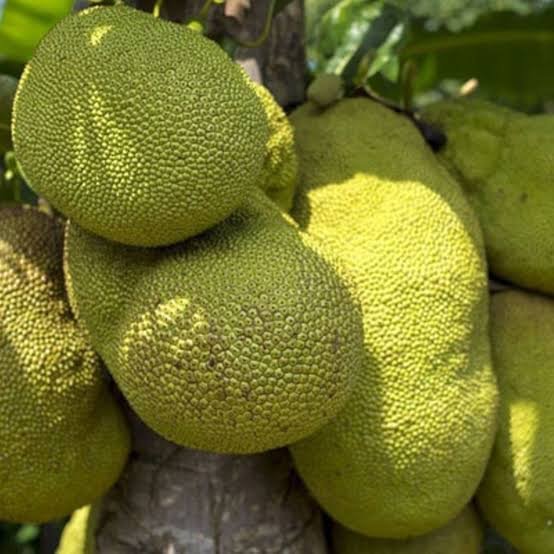
NextoAgro Exports also welcomes enquiries for papayas, fresh oranges, and jackfruit. International buyers should consider fruit size, maturity, expected shelf life, packaging, and destination-country eligibility when evaluating these products.
Fresh Vegetables Available for Wholesale Import from Uganda
Uganda produces vegetables suitable for different culinary and commercial applications. NextoAgro Exports welcomes enquiries involving available varieties, commercial quantities, grading, and appropriate export conditions.
Fresh Chillies and Hot Peppers
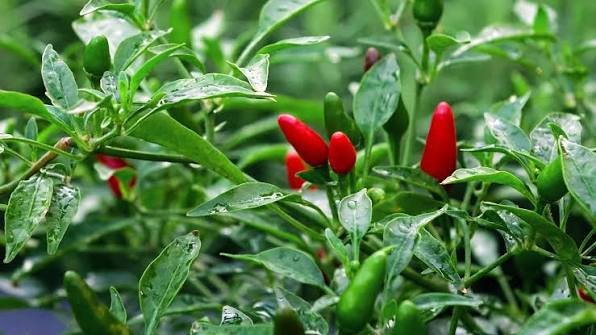
Potential sourcing products include African Bird's Eye Chillies, green chillies, and hot peppers. Buyers should specify heat level, variety, pod size, maturity, colour, and intended use.
Sweet Bell Peppers and Eggplants
Sweet bell peppers and fresh eggplants may interest wholesale vegetable distributors, restaurants, supermarkets, and speciality food businesses. Product specifications should include size, colour, firmness, acceptable defects, and packaging.
Tomatoes and Cabbages
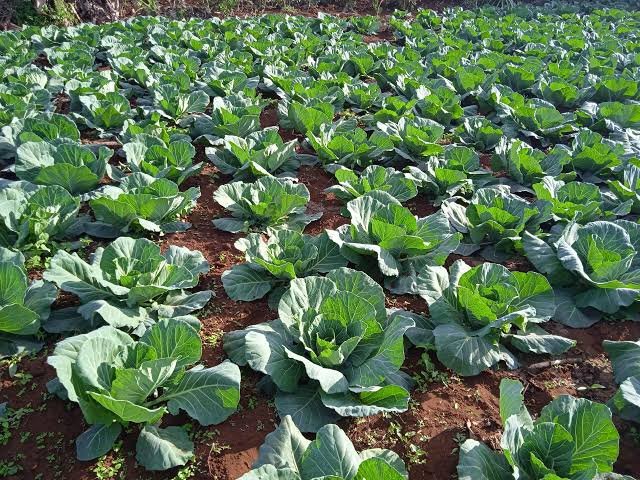
NextoAgro Exports welcomes enquiries for fresh tomatoes and cabbages according to quality requirements and available harvests. Commercial buyers should consider transportation costs carefully when importing bulky vegetables over long distances.
Onions, Ginger and Sweet Potatoes
Potential additional products include fresh onions, ginger, and sweet potatoes. These products have different storage and handling requirements, and importers should verify any relevant plant-health restrictions before confirming shipments.
Other Speciality Vegetables
French beans, snow peas, sugar snap peas, and okra may also be considered for commercial sourcing where suitable agricultural supplies and compliant export arrangements are available. Buyers can send their required vegetable specifications to discuss potential purchasing opportunities.
Common Mistakes to Avoid When Importing Fresh Produce from Uganda
International agricultural trade involves risks that can be reduced through careful planning and clear commercial arrangements.
Ordering Without Checking Import Eligibility
A product may be grown in Uganda but face restrictions in a particular destination country. Importers should verify commodity-specific import conditions before placing binding orders.
Ignoring Phytosanitary and Food Safety Requirements
Missing certificates, incorrect product descriptions, unacceptable pesticide residues, or non-compliant consignments can result in delays, rejection, or additional costs. Buyers should establish the relevant regulatory requirements before shipment.
Selecting the Wrong Harvesting Maturity
Fruits harvested at unsuitable maturity may arrive overripe, underripe, damaged, or commercially unacceptable. Importers should agree on the correct maturity standards before harvesting and packing.
Using Inappropriate Packaging
Poor packaging can contribute to bruising, crushing, moisture loss, and premature spoilage. Buyers should confirm packaging requirements based on the characteristics of the individual product.
Failing to Plan the Cold Chain
Unsuitable storage or transportation temperatures can reduce product quality. Importers should establish commodity-specific temperature requirements and consider the conditions at airports, seaports, border crossings, and receiving facilities.
Requesting Quotations Without Clear Specifications
A quotation cannot be evaluated accurately without knowing the product, grade, quantity, packaging, destination, and agreed delivery terms. Buyers should provide complete commercial information when contacting a sourcing company.
Why Work with NextoAgro Exports for International Fresh Produce Sourcing?
NextoAgro Exports aims to connect Uganda's agricultural production sector with international businesses seeking suitable tropical fruits and vegetables.
We welcome enquiries from fresh produce importers, supermarket distributors, agricultural wholesalers, hotels, restaurants, juice manufacturers, food processors, and speciality grocery businesses.
Our sourcing approach considers preferred agricultural products, varieties, available harvests, quality specifications, purchasing volumes, packaging requirements, regulatory compliance, and potential international transportation arrangements.
Businesses seeking fresh fruits and vegetables from Uganda can explore the NextoAgro Exports product categories and identify the commodities most relevant to their commercial needs.
Understanding how to import fresh fruits and vegetables from Uganda is easier when each stage is addressed in the correct order: confirm market access, identify suitable produce, establish quality requirements, agree on commercial terms, prepare documentation, arrange transportation, and complete destination-country clearance.
Request a Wholesale Fresh Fruit and Vegetable Export Quotation
Are you an international agricultural importer, fresh produce wholesaler, supermarket supplier, hotel distributor, food processing company, or commercial buyer looking for fruits and vegetables from Uganda?
NextoAgro Exports welcomes enquiries for suitable agricultural products, including Hass avocados, pineapples, Tommy Atkins mangoes, Kent mangoes, passion fruits, bananas, papayas, chillies, eggplants, and other available produce.
To begin your purchasing enquiry, request a wholesale export quotation with your preferred products, varieties, estimated quantities, required quality grades, packaging specifications, destination country, and expected delivery arrangements.
You can also contact NextoAgro Exports for additional information about agricultural sourcing and potential international purchasing opportunities.
Our team can discuss available products, commercial requirements, and suitable sourcing arrangements according to your business needs.
Frequently Asked Questions About How to Import Fresh Fruits and Vegetables from Uganda
1. How can I import fresh fruits and vegetables from Uganda?
Begin by identifying the products required, selecting a suitable exporter, confirming destination-country import regulations, agreeing on quality and purchasing terms, preparing the necessary documents, and arranging transportation. NextoAgro Exports welcomes wholesale enquiries from international buyers.
2. What fresh fruits can I import from Uganda?
Potential products include Hass avocados, pineapples, Tommy Atkins mangoes, Kent mangoes, passion fruits, bananas, and papayas, subject to availability and import eligibility.
3. What vegetables can I import from Uganda?
Potential products include African Bird's Eye Chillies, green chillies, sweet bell peppers, eggplants, tomatoes, French beans, peas, and other available vegetables.
4. Do I need a phytosanitary certificate to import fresh produce from Uganda?
Many countries require phytosanitary certificates for regulated fresh fruits and vegetables. Requirements depend on the commodity and destination, and specific exemptions may apply in some markets.
5. Which Ugandan authority issues phytosanitary certificates?
Uganda's Ministry of Agriculture, Animal Industry and Fisheries administers official plant-health inspection and certification through the relevant crop inspection functions. Certificates must satisfy the conditions established by the importing country.
6. Can I import Ugandan fresh produce into the European Union?
Yes, eligible agricultural products may enter the EU when applicable plant-health, food safety, customs, and marketing requirements are satisfied. Some products face additional controls or restrictions, so individual commodity eligibility must be checked.
7. Can fresh fruits and vegetables from Uganda be imported into the United Kingdom?
Yes, eligible products can be imported subject to the relevant UK requirements. Great Britain's plant-health rules are risk-based, and the requirements for phytosanitary certification and IPAFFS notification depend on the commodity's risk category.
8. Can NextoAgro Exports supply fruits and vegetables to Dubai and Qatar?
NextoAgro Exports welcomes sourcing enquiries from buyers in Dubai, Qatar, and other international markets. Actual supply depends on product availability, commercial specifications, applicable import permissions, documentation, and suitable freight arrangements.
9. Can I import fresh produce from Uganda into Kenya?
Yes, eligible products can be imported into Kenya when the relevant KEPHIS plant-health requirements, customs procedures, and applicable origin documentation are satisfied. Road transportation through Malaba or Busia may be considered.
10. Is air freight or sea freight better for fresh produce imports?
Air freight may suit highly perishable or higher-value products, while refrigerated sea freight may be commercially appropriate for certain larger consignments with sufficient shelf life. The best option depends on the commodity, freight costs, cargo volume, and destination.
11. What documents are needed to import fresh fruits and vegetables from Uganda?
Common documents include commercial invoices, packing lists, transport documents, phytosanitary certificates where required, origin evidence, and relevant import permits or food safety certificates. The exact list depends on the country and product.
12. How much does it cost to import fruits and vegetables from Uganda?
Import costs depend on the product variety, grade, quantity, packaging, inspection requirements, freight, customs treatment, and destination. Buyers should request a quotation based on their specific purchasing and delivery requirements.
13. What is the minimum wholesale order quantity?
Minimum quantities vary according to the agricultural product, seasonal availability, packaging, and transportation requirements. Importers should provide estimated purchasing volumes when requesting quotations.
14. Can I import different fruits and vegetables in one shipment?
Mixed sourcing may be possible, but products must be compatible with the planned packaging, temperature, humidity, and transportation conditions. Different commodities may require separate handling or freight arrangements.
15. How do I request a wholesale fresh produce quotation from NextoAgro Exports?
You can submit a wholesale sourcing enquiry with your preferred agricultural products, varieties, quantities, quality specifications, packaging preferences, and destination country. NextoAgro Exports can review your requirements and discuss available sourcing opportunities.